



Website by 
Our Blog
What Varicose Veins Say About Your Circulatory Health
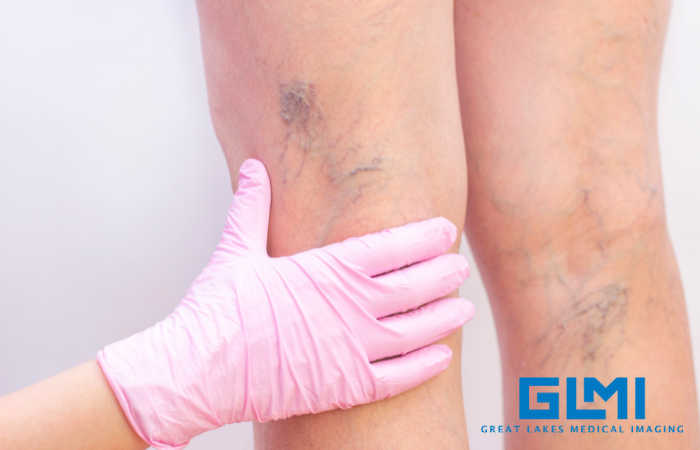
For many people, varicose veins are seen as a cosmetic nuisance — those blue or purple, twisted veins that appear on the legs and feet. But beneath the surface, they can tell a much deeper story about your circulatory health. Varicose veins are more than a visual concern; they often indicate problems with blood flow and vein function that can worsen over time if left untreated.
At GLMI, we help patients across Buffalo, Williamsville, Cheektowaga, Orchard Park, and Cambria understand what their veins are saying about their health. Through advanced vascular ultrasound imaging and our dedicated Veins and Venous Disease services, we identify the cause of varicose veins and help patients take proactive steps to protect their circulation.
What Are Varicose Veins?
Varicose veins develop when the valves inside your veins — which keep blood flowing upward toward the heart — become weak or damaged. When these valves fail, blood begins to pool in the lower legs instead of circulating efficiently. Over time, this causes veins to enlarge, twist, and bulge beneath the skin.
They’re most common in the legs and ankles because these veins work against gravity to return blood to the heart. Standing or sitting for long periods, obesity, pregnancy, and age can all increase pressure on these veins, leading to valve strain and eventually varicose veins.
What Varicose Veins Reveal About Your Circulatory Health
Varicose veins are often a visible sign of an underlying circulation problem known as chronic venous insufficiency (CVI). This condition affects how efficiently blood flows back to the heart. Instead of moving upward smoothly, blood pools in the lower extremities — creating pressure, swelling, and vein distention.
While not all varicose veins are dangerous, they are a warning sign that your vascular system may be struggling. Ignoring them can allow vein disease to progress and lead to more serious health issues over time.
Varicose Veins Can Indicate:
- Weakened vein valves: The valves that prevent blood from flowing backward may not be closing properly.
- Increased venous pressure: The pooling of blood increases pressure inside the veins, stretching and damaging vessel walls.
- Reduced circulation: Sluggish blood flow can cause swelling, fatigue, and discomfort in the legs.
- Inflammation and skin changes: Over time, poor circulation can lead to skin discoloration, dryness, and itching.
- Risk for complications: Untreated varicose veins can develop into ulcers or, in rare cases, blood clots.
Common Symptoms That Accompany Varicose Veins
Even if your veins are only mildly visible, you may notice symptoms that suggest circulation is being affected. These can include:
- Aching, throbbing, or heaviness in the legs
- Swelling in the ankles or calves
- Cramping or fatigue after standing or sitting for long periods
- Burning or itching near visible veins
- Restless legs or night cramps
- Darkening or hardening of the skin around the ankles
These symptoms often worsen at the end of the day or after long periods of inactivity — another sign that circulation is compromised.
How Imaging Helps Diagnose Vein and Circulation Problems
Because varicose veins are just one visible symptom of a deeper vascular issue, imaging is essential for understanding what’s happening inside your veins. At GLMI, our vascular ultrasound technology allows physicians to visualize blood flow in real time and pinpoint where valve function has weakened or blockages may exist.
Ultrasound Imaging for Vein Health
Ultrasound uses sound waves to capture detailed images of your veins and measure the direction and speed of blood flow. This safe, non-invasive exam can identify:
- Areas where blood is pooling or flowing backward
- Veins that have become enlarged or damaged
- Blood clots or obstructions in deep veins
- Reduced circulation that may require further treatment
Once the imaging study is complete, your physician receives a comprehensive report that helps guide your care plan — whether that means lifestyle changes, compression therapy, or referral for interventional treatment.
Are Varicose Veins Dangerous?
In many cases, varicose veins are not immediately dangerous — but they can signal worsening vein disease if left untreated. Over time, blood pooling can increase venous pressure and lead to complications such as:
- Chronic swelling: Persistent edema can make walking uncomfortable and damage surrounding tissue.
- Skin ulcers: Poor circulation can cause slow-healing wounds near the ankles.
- Phlebitis: Inflamed veins can become tender and painful.
- Deep vein thrombosis (DVT): In severe cases, clots can form in deeper veins — a potentially life-threatening condition.
The good news is that imaging allows doctors to monitor these risks closely and intervene early if needed.
Improving Circulation and Vein Health
Whether your varicose veins are mild or advanced, improving overall circulation can help prevent further damage. Simple lifestyle changes make a major difference, especially when combined with regular imaging and medical supervision.
- Stay active — walking and swimming strengthen calf muscles that assist blood flow.
- Elevate your legs when resting to encourage blood return to the heart.
- Wear compression stockings if recommended by your doctor.
- Maintain a healthy weight to reduce pressure on your veins.
- Limit prolonged sitting or standing periods when possible.
- Avoid tight clothing that restricts blood flow around the thighs or calves.
Regular follow-ups and imaging help track your progress and ensure your vascular system stays strong.
How GLMI Supports Vascular Health
GLMI is a trusted provider of diagnostic and vascular imaging throughout Western New York. Our Veins and Venous Disease services use the latest technology to detect circulation problems early, while our ultrasound imaging provides detailed insights into how well your veins are functioning.
We also collaborate closely with local physicians and specialists to ensure you receive the right care — from diagnostic imaging to follow-up treatment planning. With locations in Williamsville, Cheektowaga, Orchard Park, and Cambria, GLMI makes it convenient to get the imaging you need close to home.
Take the Next Step Toward Better Circulation
Varicose veins are more than a cosmetic issue — they’re a signal that your circulatory system needs attention. With early imaging and a proactive care plan, you can prevent complications, improve blood flow, and restore comfort and confidence in your daily life.
Contact GLMI today to schedule a vascular ultrasound or learn more about our comprehensive vein and circulation evaluations across Western New York.
Medical Disclaimer
Medical Disclaimer: This article is for informational purposes only and is not a substitute for professional medical advice. Always consult your physician or qualified healthcare provider about your specific symptoms and treatment options.
‹ Back
Recent Posts
-

Minimally Invasive Treatment Options for Poor Leg Circulation
September 15, 2026
-
Thyroid Nodules: How Ultrasound Helps Evaluate a Lump in Your Neck
September 12, 2026
-

3.0T vs 1.5T MRI: What the Strength of the Magnet Means for You
September 9, 2026
-

Restless, Aching Legs at Night: Could It Be a Vein Problem?
September 6, 2026
-

How Vascular Ultrasound Checks Blood Flow Without a Single Incision
September 3, 2026