



Website by 
Our Blog
The Early Signs of Poor Circulation You Shouldn’t Ignore in 2026
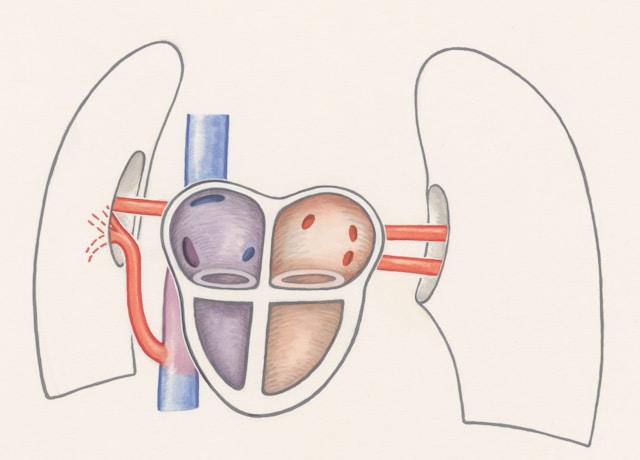
In Buffalo and throughout Western New York, circulation problems are more common than many people realize — especially during and after long winters. Poor circulation often develops gradually, with subtle warning signs that are easy to dismiss. In 2026, as preventive healthcare becomes increasingly important, recognizing early symptoms of vascular changes can make a meaningful difference in long-term outcomes.
At Great Lakes Medical Imaging (GLMI), early detection through advanced imaging plays a critical role in identifying vascular concerns before they progress. For residents of Buffalo, Williamsville, Cheektowaga, Orchard Park, and surrounding WNY communities, understanding the early signs of poor circulation is an important step toward proactive health management.
What Is Poor Circulation?
Poor circulation occurs when blood flow through the arteries or veins becomes restricted or inefficient. Blood carries oxygen and nutrients throughout the body. When circulation is impaired, tissues may not receive the oxygen they need to function properly.
Circulatory problems can involve:
- Arterial disease (reduced oxygen-rich blood flow)
- Venous disease (impaired return of blood to the heart)
- Microvascular changes affecting smaller vessels
These issues can develop silently. That’s why early recognition matters.
1. Persistent Cold Hands and Feet
Buffalo winters naturally cause cold extremities. However, if your hands or feet remain unusually cold even indoors or during warmer months, it may indicate reduced blood flow.
When circulation is compromised, blood has difficulty reaching the farthest parts of the body. Persistent coldness, especially if accompanied by color changes (pale or bluish skin), should not be ignored.
2. Numbness or Tingling Sensations
Occasional numbness from sitting in one position too long is normal. However, frequent tingling in the hands, legs, or feet may suggest compromised circulation or vascular compression.
Reduced blood flow can interfere with nerve function. If tingling sensations occur regularly without clear explanation, further evaluation may be appropriate.
3. Leg Pain When Walking
One of the hallmark signs of arterial circulation problems is claudication — cramping or aching pain in the legs that occurs during walking and improves with rest.
Many adults in Western New York attribute leg discomfort to aging or joint issues. However, recurring exertion-related pain may signal peripheral arterial disease (PAD), a condition that benefits from early identification.
4. Swelling in the Lower Legs or Ankles
Swelling that worsens after standing or sitting for long periods may indicate venous insufficiency — a condition in which veins struggle to return blood efficiently to the heart.
Western New York’s colder months often lead to decreased activity, which can exacerbate fluid retention and venous congestion. Persistent swelling, heaviness, or tightness in the legs should be evaluated.
If venous concerns are suspected, patients can learn more about Veins and Venous Disease and discuss whether imaging assessment is appropriate.
5. Slow-Healing Wounds
Circulation plays a key role in wound healing. If cuts or sores — particularly on the feet or lower legs — heal slowly, it may be a sign of reduced blood flow.
This is especially important for individuals with diabetes, who already face increased vascular risk. Early vascular evaluation can help prevent more serious complications.
6. Skin Color Changes
Healthy circulation maintains normal skin tone. Poor circulation may cause skin to appear pale, bluish, or mottled. In some cases, shiny skin or hair loss on the legs can indicate reduced arterial supply.
These visual changes are often subtle at first but may signal underlying vascular disease.
Why Circulation Issues Matter in 2026
As we move further into 2026, preventive healthcare continues to shift toward early detection and risk reduction. Circulatory disease remains one of the leading contributors to heart attack and stroke.
Buffalo and Western New York have a significant population over age 50 — a group at increased risk for vascular disease. Combined with winter-related inactivity and lifestyle factors, this makes early recognition even more important locally.
Circulation problems rarely improve on their own. Identifying them early allows for targeted lifestyle modifications, medication management, and monitoring before complications arise.
The Role of Preventive Imaging in Circulation Assessment
Imaging technology plays a vital role in evaluating blood vessels and blood flow. Depending on symptoms and physician recommendations, imaging may help assess:
- Arterial narrowing or plaque buildup
- Venous reflux or valve dysfunction
- Structural vascular abnormalities
- Blood flow efficiency
Through comprehensive Imaging Services, GLMI provides advanced diagnostic support for patients throughout Buffalo and Western New York. Imaging offers objective insight that physical exams alone may not reveal.
Importantly, early imaging does not necessarily mean invasive treatment. In many cases, findings lead to monitoring, exercise recommendations, dietary adjustments, or medical management.
Winter’s Lingering Impact on Circulation in Western New York
Cold temperatures cause blood vessels to constrict. Over time, repeated vasoconstriction can exacerbate underlying arterial stiffness. Additionally, winter inactivity may reduce muscle-driven circulation in the legs.
As spring approaches in Buffalo, lingering circulation symptoms should not be dismissed as seasonal. If they persist into warmer months, further evaluation may be warranted.
When to Speak With Your Physician
Consider discussing circulation concerns with your healthcare provider if you experience:
- Recurring leg pain with activity
- Persistent swelling
- Unexplained numbness
- Color changes in extremities
- Non-healing wounds
If imaging is recommended, GLMI offers convenient Locations throughout Buffalo and Western New York to make evaluation accessible.
You can schedule an appointment here if you and your physician determine that vascular imaging is appropriate.
Early Detection Protects Long-Term Health
Circulation problems are not just about leg discomfort — they are closely linked to heart health, brain health, and overall longevity. Early detection supports better outcomes and reduces the likelihood of emergency intervention.
In 2026, proactive healthcare is about awareness. Paying attention to subtle warning signs and seeking evaluation when appropriate reflects a preventive mindset.
For residents of Buffalo and Western New York, recognizing the early signs of poor circulation is an important step toward protecting long-term vascular health.
Medical Disclaimer: This article is intended for educational purposes only and does not constitute medical advice. Always consult your physician or qualified healthcare provider regarding any questions you may have about a medical condition or appropriate diagnostic testing. Individual health circumstances vary, and decisions about imaging or treatment should be made in consultation with your healthcare provider.
‹ Back
Recent Posts
-

-

-

Breast Biopsy: What to Expect, Step by Step
October 16, 2026
-

High School Football Injuries: When Your Athlete Needs Imaging
October 13, 2026
-

Breast MRI: Who It Is For and What It Shows
October 10, 2026