



Website by 
Our Blog
Early Imaging for Chronic Knee Pain in Buffalo
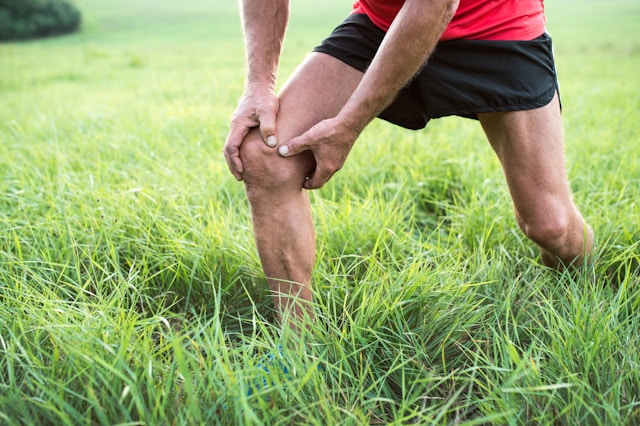
Chronic knee pain is one of the most common reasons adults in Buffalo and across Western New York seek medical care. Whether it’s lingering discomfort after years of physical activity, stiffness that worsens during long winters, or swelling that never fully resolves, knee pain can quietly interfere with daily life.
While rest and conservative treatment are often the first steps, persistent symptoms may signal underlying structural issues. Early imaging — when clinically appropriate — helps physicians identify the root cause of chronic knee pain before it progresses. At Great Lakes Medical Imaging (GLMI), advanced diagnostic imaging supports accurate evaluation for patients in Buffalo, Williamsville, Cheektowaga, Orchard Park, and surrounding WNY communities.
Why Chronic Knee Pain Shouldn’t Be Ignored
Occasional knee discomfort after activity is common. However, pain that lasts for weeks or months, recurs frequently, or limits mobility deserves further evaluation.
Common causes of chronic knee pain include:
- Osteoarthritis
- Meniscus tears
- Ligament injuries
- Tendon inflammation
- Cartilage degeneration
- Stress fractures
Without proper diagnosis, minor structural changes can worsen over time, potentially leading to reduced mobility or more invasive treatment later.
The Western New York Factor
Buffalo’s long winters and seasonal activity shifts can influence joint health. Reduced movement during colder months may increase stiffness, while sudden increases in activity during spring and summer can aggravate underlying issues.
Additionally, icy conditions increase fall risk, which may contribute to undiagnosed knee injuries that linger long after the initial event.
For active adults in Western New York — from recreational athletes to retirees staying mobile — early assessment supports long-term joint health.
When Should You Consider Imaging?
Imaging may be appropriate if you experience:
- Knee pain lasting longer than several weeks
- Persistent swelling
- Instability or “giving way”
- Clicking or locking sensations
- Pain that interferes with sleep
- Limited range of motion
Your primary care provider or orthopedic specialist can determine whether imaging is warranted based on your symptoms and examination findings.
How Imaging Helps Identify the Cause
Different imaging modalities reveal different aspects of knee anatomy:
- X-ray: Evaluates bone alignment, fractures, and signs of arthritis.
- MRI: Provides detailed images of ligaments, cartilage, tendons, and soft tissue structures.
- CT scan: Offers detailed cross-sectional views when complex structural evaluation is needed.
Through comprehensive Imaging Services, GLMI provides advanced diagnostic tools to support accurate evaluation of knee pain throughout Buffalo and Western New York.
Imaging results guide treatment decisions, whether that involves physical therapy, activity modification, injections, or surgical consultation.
Osteoarthritis: A Common Culprit
Osteoarthritis is one of the most frequent causes of chronic knee pain in adults over 50. It occurs when cartilage that cushions the joint gradually wears down.
Early imaging can identify joint space narrowing, bone changes, and inflammation before pain becomes severe. Detecting osteoarthritis early allows for lifestyle adjustments that may slow progression.
In Buffalo’s aging population, early arthritis identification supports proactive joint preservation strategies.
Sports and Activity-Related Injuries
Western New Yorkers participate in a wide range of activities, from skiing and snowboarding in winter to hiking and cycling in warmer months. Repetitive strain or acute injury can lead to meniscus tears or ligament damage.
MRI imaging provides detailed visualization of soft tissues, helping physicians determine the extent of injury and appropriate management.
Addressing these issues early can reduce long-term instability and degeneration.
Why Early Imaging Matters
Waiting too long to evaluate chronic knee pain may allow small structural problems to progress. Early imaging helps:
- Clarify diagnosis
- Prevent worsening joint damage
- Guide targeted therapy
- Reduce risk of chronic mobility limitations
In many cases, early detection supports conservative management and avoids more invasive interventions later.
Imaging and Personalized Care
No two patients experience knee pain in the same way. Imaging provides individualized insight rather than relying solely on symptom description.
By identifying the specific structures involved, physicians can tailor treatment plans more precisely. This personalized approach aligns with the broader preventive care model increasingly emphasized in Western New York healthcare.
Accessible Imaging Across Buffalo and WNY
GLMI serves patients throughout Buffalo, Williamsville, Cheektowaga, Orchard Park, and neighboring communities with advanced imaging capabilities.
With multiple convenient Locations across Western New York, knee imaging studies can be completed efficiently and close to home.
If your physician recommends imaging to evaluate chronic knee pain, you can schedule an appointment here.
Protecting Mobility for the Long Term
Knee health plays a central role in independence and quality of life. Chronic knee pain should not be dismissed as an inevitable part of aging or seasonal discomfort.
For residents of Buffalo and Western New York, early imaging provides clarity, supports accurate diagnosis, and enables timely intervention. Whether the cause is arthritis, injury, or structural change, identifying it early can make a meaningful difference in long-term joint function.
Staying active in WNY requires healthy knees. Early evaluation helps protect them.
Medical Disclaimer: This article is intended for educational purposes only and does not constitute medical advice. Always consult your physician or qualified healthcare provider regarding any questions you may have about a medical condition or appropriate diagnostic testing. Individual health circumstances vary, and decisions about imaging or treatment should be made in consultation with your healthcare provider.
‹ Back
Recent Posts
-

Breast Biopsy: What to Expect, Step by Step
October 16, 2026
-

High School Football Injuries: When Your Athlete Needs Imaging
October 13, 2026
-

Breast MRI: Who It Is For and What It Shows
October 10, 2026
-
Concussion Imaging: When a Head Injury Needs a Scan
October 7, 2026
-

Called Back After a Mammogram? What It Does and Does Not Mean
October 4, 2026