



Website by 
Our Blog
The Role of Imaging in Detecting Silent Health Conditions
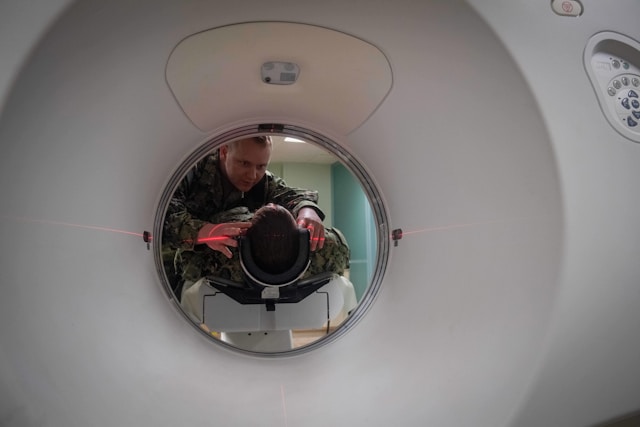
In Buffalo and across Western New York, many of the most serious health conditions do not begin with dramatic symptoms. They develop quietly — often over years — before revealing themselves through a sudden event such as a stroke, fracture, or cardiac emergency. That reality is precisely why medical imaging plays such a critical role in preventive healthcare in 2026.
At Great Lakes Medical Imaging (GLMI), advanced diagnostic imaging helps physicians throughout Buffalo, Williamsville, Cheektowaga, Orchard Park, and surrounding WNY communities detect structural and circulatory abnormalities long before symptoms become severe. Imaging does not replace clinical care — it enhances it by providing objective insight into what is happening beneath the surface.
What Are “Silent” Health Conditions?
Silent health conditions are diseases that progress without obvious early symptoms. A person may feel healthy and active while measurable changes are occurring internally. By the time symptoms develop, the condition may already be advanced.
Common silent conditions include:
- Early cardiovascular disease
- Arterial plaque buildup
- Bone density loss (osteopenia and osteoporosis)
- Early-stage vascular disease
- Certain neurological changes
Because these issues can progress unnoticed, early detection becomes one of the most powerful tools in long-term health planning.
Why Early Detection Matters in Western New York
Buffalo and Western New York have a significant population over the age of 50 — a demographic at increased risk for cardiovascular disease, bone loss, and vascular changes. Additionally, long winters in WNY often contribute to reduced physical activity, elevated blood pressure due to cold-induced vasoconstriction, and seasonal weight fluctuations.
These regional factors make preventive evaluation particularly relevant for Western New Yorkers. Imaging allows physicians to assess risk before symptoms create urgency.
Imaging and Cardiovascular Health
Heart disease remains one of the leading causes of morbidity nationwide, and many forms of cardiovascular disease develop gradually. Arterial plaque can accumulate for years without causing noticeable discomfort.
Advanced imaging may help identify:
- Arterial narrowing
- Structural heart changes
- Circulatory abnormalities
- Early indicators of vascular strain
Through comprehensive Imaging Services, GLMI supports physicians in evaluating cardiovascular risk for patients throughout Buffalo and Western New York.
Early identification does not necessarily mean invasive treatment. In many cases, it allows for monitoring, medication adjustments, or lifestyle modifications that reduce long-term risk.
Bone Health: A Condition You Can’t Feel — Until You Do
Bone density loss is another classic silent condition. Osteopenia and osteoporosis develop gradually, often without pain. Many individuals only discover reduced bone strength after a fracture.
For adults over 50 in Western New York — particularly postmenopausal women — bone density screening plays an important preventive role. Winter ice and fall risk further highlight the importance of strong bones in Buffalo’s climate.
Bone densitometry imaging provides objective assessment of bone mineral density. Patients can learn more about Bone Densitometry and discuss screening recommendations with their physician.
Vascular Changes That Develop Quietly
Vascular disease often progresses without symptoms. Arteries may gradually narrow due to plaque buildup, while veins may develop valve dysfunction that impairs blood return.
Symptoms such as leg heaviness, mild swelling, or fatigue are frequently dismissed as aging or seasonal discomfort. However, these subtle signs can indicate underlying vascular changes.
For individuals experiencing persistent leg symptoms, additional information about Veins and Venous Disease may be helpful in guiding discussions with their healthcare provider.
Brain Health and Silent Risk
Neurological conditions can also develop gradually. Small vessel disease, microvascular changes, and early structural abnormalities may not produce immediate cognitive symptoms.
Imaging plays a vital role in evaluating neurological concerns when clinically indicated. Early identification of structural changes supports more informed long-term planning and physician collaboration.
Imaging as a Preventive Strategy — Not a Reactive Tool
One of the most important shifts in healthcare in 2026 is the move toward proactive evaluation rather than emergency response. Imaging is often associated with acute situations — injuries, sudden symptoms, or urgent events. However, when used appropriately, imaging can serve as a preventive strategy.
Rather than waiting for chest pain, fractures, or severe circulation issues, preventive imaging allows patients and physicians to assess risk in a controlled and thoughtful manner.
This preventive approach is particularly relevant in Buffalo and Western New York, where seasonal stressors and an aging population increase the importance of early detection.
Who Should Consider Preventive Imaging?
Preventive imaging is not one-size-fits-all. Decisions should always be made in collaboration with a healthcare provider. However, individuals who may benefit from discussion include:
- Adults over age 50
- Individuals with high blood pressure or high cholesterol
- Those with a family history of heart disease or stroke
- Postmenopausal women concerned about bone health
- Patients with persistent circulation symptoms
Imaging provides data. Data supports informed decision-making.
Accessible Imaging Across Western New York
Great Lakes Medical Imaging serves patients throughout Buffalo, Williamsville, Cheektowaga, Orchard Park, and neighboring communities with advanced diagnostic capabilities and physician collaboration.
With multiple convenient Locations across Western New York, preventive imaging is accessible without unnecessary travel or delay.
If you and your physician determine that imaging evaluation is appropriate, you can schedule an appointment here.
Building a Long-Term Health Plan in 2026
Silent health conditions do not announce themselves. They develop gradually and often without pain. Imaging offers clarity in situations where symptoms are absent but risk factors are present.
For residents of Buffalo and Western New York, preventive imaging represents an investment in long-term wellness. Early detection allows for manageable interventions, thoughtful monitoring, and better outcomes over time.
Healthcare in 2026 is increasingly about anticipation rather than reaction. Understanding the role of imaging in detecting silent health conditions empowers patients to take a proactive, informed approach to their health.
Medical Disclaimer: This article is intended for educational purposes only and does not constitute medical advice. Always consult your physician or qualified healthcare provider regarding any questions you may have about a medical condition or appropriate diagnostic testing. Individual health circumstances vary, and decisions about imaging or treatment should be made in consultation with your healthcare provider.
‹ Back
Recent Posts
-

-

-

Breast Biopsy: What to Expect, Step by Step
October 16, 2026
-

High School Football Injuries: When Your Athlete Needs Imaging
October 13, 2026
-

Breast MRI: Who It Is For and What It Shows
October 10, 2026