



Website by 
Our Blog
What Early Imaging Can Tell You About Your Heart Health
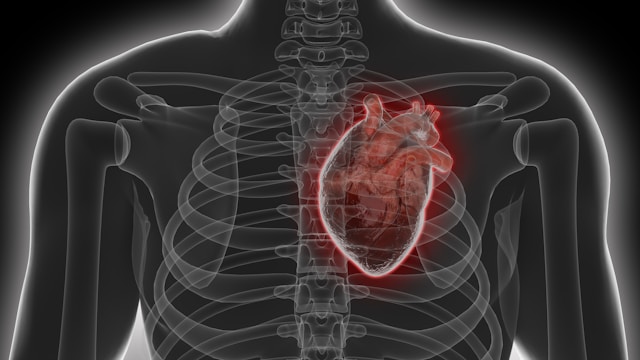
At GLMI, we help patients across Western New York take a proactive approach to cardiovascular wellness through advanced diagnostic imaging. Early imaging provides insight into heart and circulatory health before problems escalate, allowing individuals and physicians to focus on prevention rather than reaction.
Why Heart Conditions Often Go Undetected
The cardiovascular system is remarkably adaptive. Blood vessels can compensate for narrowing, and the heart can work harder to maintain circulation — sometimes for years — without causing obvious symptoms.
This means conditions such as early coronary artery disease, reduced blood flow, or vascular changes may exist long before a person feels unwell. Relying solely on symptoms can delay diagnosis and limit preventive options.
Early imaging helps uncover these hidden changes, providing clarity that routine exams alone may not reveal.
What Early Imaging Evaluates
Preventive imaging does not diagnose heart disease on its own, but it offers critical insight into factors that influence cardiovascular risk. Imaging can help assess:
- Blood flow patterns that support heart function
- Structural changes in blood vessels
- Early plaque buildup or arterial narrowing
- Circulatory efficiency throughout the body
- Changes that may increase future cardiac risk
This information allows physicians to evaluate heart health more comprehensively and tailor preventive strategies accordingly.
The Role of Imaging in Cardiovascular Prevention
Preventive imaging shifts the focus from treating disease to reducing risk. Instead of waiting for a cardiac event, early imaging helps identify subtle changes that may indicate increased strain on the heart.
This approach supports:
- Earlier lifestyle intervention
- More informed discussions with healthcare providers
- Ongoing monitoring of cardiovascular risk factors
- Better long-term heart health outcomes
When risk is identified early, prevention becomes more effective and less invasive.
How Imaging Complements Traditional Heart Health Screening
Blood pressure readings, cholesterol levels, and family history are all essential components of cardiovascular assessment. Imaging complements these measures by showing how those risk factors may be affecting the body internally.
For example, imaging may reveal circulation changes that correlate with elevated cholesterol or long-standing high blood pressure — even when symptoms are absent.
This deeper insight helps bridge the gap between numbers on a chart and real-world cardiovascular health.
Who Benefits Most From Early Heart Imaging?
Early imaging can benefit a wide range of individuals, especially those who want a clearer picture of their long-term heart health. You may benefit from preventive imaging if you:
- Are over the age of 50
- Have high blood pressure, high cholesterol, or diabetes
- Have a family history of heart disease or stroke
- Lead a sedentary or high-stress lifestyle
- Have a history of smoking
- Want to take a proactive approach to wellness
Even individuals who feel healthy may discover valuable information through early imaging.
How Lifestyle and Imaging Work Together
Lifestyle choices play a major role in heart health, but imaging helps confirm whether those choices are effectively supporting the cardiovascular system.
Early imaging can help guide:
- Exercise programs that improve circulation
- Dietary changes that support heart health
- Stress management strategies
- Long-term monitoring plans
This combination of habit awareness and medical insight creates a stronger foundation for lasting cardiovascular wellness.
The Importance of Establishing a Baseline
One of the most valuable aspects of early imaging is establishing a baseline. Understanding what your heart and circulation look like today makes it easier to detect changes in the future.
Baseline imaging allows physicians to:
- Track cardiovascular changes over time
- Identify progression or stability
- Adjust preventive strategies as needed
- Provide reassurance when results are normal
This long-term perspective supports smarter, more personalized care.
Why Preventive Imaging Matters More With Age
As we age, the risk of cardiovascular disease naturally increases. Blood vessels may become less flexible, and the heart may work harder to maintain circulation.
Preventive imaging becomes increasingly valuable with age, helping identify changes early and preserve heart health for as long as possible.
Rather than assuming changes are inevitable, imaging provides the insight needed to stay proactive.
How GLMI Supports Heart Health Through Imaging
GLMI offers a comprehensive range of diagnostic imaging services that support preventive cardiovascular care. Our advanced technology and experienced team deliver clear, reliable imaging results that physicians trust.
With convenient locations throughout Western New York, GLMI makes it easier for patients to access preventive imaging close to home — without unnecessary delays.
Heart Health Starts Before Symptoms Appear
Waiting for symptoms is not the same as prevention. Early imaging provides a window into heart health before problems become disruptive or dangerous.
By understanding what early imaging can reveal, individuals can make informed decisions that protect cardiovascular health for years to come.
Contact GLMI to learn more about preventive imaging and how it supports long-term heart health.
Medical Disclaimer
Medical Disclaimer: This article is for informational purposes only and is not a substitute for professional medical advice. Always consult your physician or qualified healthcare provider about your specific symptoms and treatment options.
‹ Back
Recent Posts
-

Concussion Imaging: When a Head Injury Needs a Scan
October 7, 2026
-

Called Back After a Mammogram? What It Does and Does Not Mean
October 4, 2026
-

-

How Nuclear Medicine Imaging Reveals What Other Scans Can't
September 27, 2026
-

Bone Density Screening: Understanding Your Osteoporosis Risk
September 24, 2026