



Website by 
Our Blog
Why Bone Density Testing Should Be Part of Every Wellness Plan
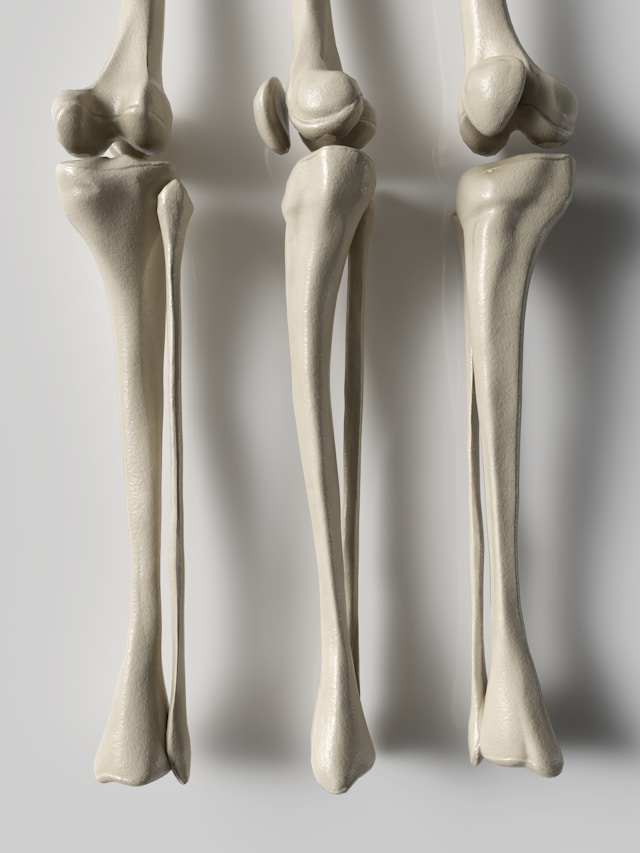
When people think about long-term health, they often focus on heart health, nutrition, or staying active — but bone health is just as essential. Strong bones support mobility, balance, and independence, yet bone loss often develops quietly over time. By the time symptoms appear, damage may already be significant.
This is why bone density testing should be a standard part of every wellness plan. At GLMI, we help patients across Western New York take a proactive approach to bone health through advanced bone densitometry imaging that identifies early changes before fractures or mobility issues occur.
What Is Bone Density Testing?
Bone density testing, also known as bone densitometry, measures the mineral content and strength of your bones. It is commonly used to detect early bone loss, assess fracture risk, and monitor changes in bone health over time.
This imaging provides objective insight into bone structure that physical exams alone cannot reveal. Bone densitometry is fast, non-invasive, and plays a critical role in preventive care — especially as we age.
Why Bone Loss Often Goes Undetected
One of the biggest challenges with bone health is that bone loss usually occurs without pain or obvious symptoms. Bones can weaken gradually over many years before a fracture happens.
Many people first learn they have reduced bone density only after experiencing:
- A fracture from a minor fall
- Persistent back pain related to spinal compression
- Loss of height or posture changes
- Reduced confidence with movement
By the time these signs appear, bone loss may already be advanced. Bone density testing allows for much earlier awareness and intervention.
The Preventive Role of Bone Densitometry
Bone densitometry shifts bone health from reactive to proactive. Instead of waiting for an injury, testing helps identify risk early — when prevention is most effective.
Early detection allows healthcare providers to:
- Identify osteopenia or early-stage bone loss
- Evaluate fracture risk before injuries occur
- Monitor bone changes over time
- Recommend lifestyle or medical interventions sooner
This proactive approach can significantly reduce the likelihood of fractures and long-term complications.
Who Should Consider Bone Density Testing?
While bone density testing is often associated with older adults, it can benefit a wide range of individuals. You may want to discuss bone densitometry with your healthcare provider if you:
- Are over the age of 50
- Have a family history of osteoporosis or fractures
- Have experienced a fracture from a low-impact injury
- Have hormonal changes, including menopause
- Use medications known to affect bone health
- Have low body weight or nutritional deficiencies
Even without symptoms, establishing a baseline through bone density testing provides valuable insight for long-term wellness planning.
Bone Health as Part of Everyday Wellness
Bones respond to daily habits over time. Nutrition, physical activity, and overall health choices all influence bone strength.
Bone density testing helps connect those habits to real data, guiding:
- Exercise routines that support bone strength
- Nutritional strategies for maintaining mineral density
- Fall-prevention planning
- Long-term health monitoring
This information turns general wellness goals into informed, personalized action.
Why Bone Health Matters Beyond Fractures
Fractures are often viewed as isolated events, but they can have lasting effects on quality of life. A fracture can lead to reduced mobility, prolonged recovery, and increased risk of future injuries.
Protecting bone health supports:
- Balance and stability
- Confidence with movement
- Active lifestyles at every age
- Long-term independence
Bone densitometry plays an important role in preserving not just bone strength, but overall quality of life.
What to Expect During a Bone Density Test
Bone density testing is quick, comfortable, and requires little preparation. The scan typically takes only a few minutes and uses very low levels of radiation.
Results are reviewed by physicians to assess bone health and determine appropriate next steps — whether that involves lifestyle changes, follow-up imaging, or continued monitoring.
Why Western New York Patients Choose GLMI
GLMI has been a trusted provider of diagnostic and preventive imaging across Western New York for decades. Our team combines advanced technology with patient-focused care to deliver accurate, reliable results.
With a full range of imaging services, including bone densitometry, and convenient locations, GLMI makes preventive health screening accessible and efficient.
Strong Bones Are a Foundation for Long-Term Health
Bone health shouldn’t be an afterthought. Proactive testing provides clarity, confidence, and the opportunity to protect mobility and independence well into the future.
Including bone density testing as part of your wellness plan is an investment in lifelong health.
Contact GLMI to learn more about bone densitometry and how preventive imaging supports long-term wellness.
Medical Disclaimer
Medical Disclaimer: This article is for informational purposes only and is not a substitute for professional medical advice. Always consult your physician or qualified healthcare provider about your specific symptoms and treatment options.
‹ Back
Recent Posts
-

-

How Nuclear Medicine Imaging Reveals What Other Scans Can't
September 27, 2026
-

Bone Density Screening: Understanding Your Osteoporosis Risk
September 24, 2026
-

Preserving Quality of Life With an Enlarged Prostate
September 21, 2026
-

Ankle Sprains That Won't Heal: When to Get Imaging
September 18, 2026