



Website by 
Our Blog
The Link Between Bone Strength and Circulatory Health
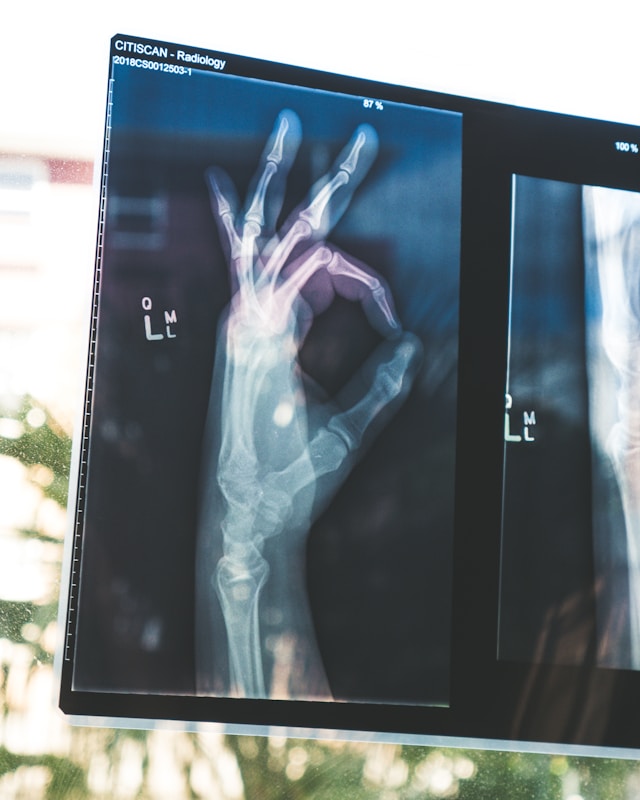
Bone health and circulatory health are often discussed as separate parts of the body, but in reality, they are closely connected. Strong bones rely on healthy blood flow to receive oxygen, nutrients, and minerals that maintain structure and strength. When circulation is compromised, bone health can quietly suffer — increasing the risk of weakness, injury, and long-term mobility issues.
Understanding this connection is an important part of preventive wellness. At GLMI, we help patients across Western New York take a proactive approach to long-term health through advanced imaging that supports both skeletal and circulatory awareness.
Why Circulation Matters for Bone Health
Bones are living tissue. They constantly remodel themselves by breaking down old bone and forming new bone — a process that depends heavily on healthy circulation. Blood vessels within bone tissue deliver calcium, phosphorus, oxygen, and other nutrients essential for maintaining bone density.
When circulation is reduced, bones may not receive what they need to remain strong. Over time, this can contribute to:
- Reduced bone density
- Slower bone repair and healing
- Increased fracture risk
- Loss of bone strength with aging
This is one reason bone loss and circulatory issues often develop together — especially later in life.
How Poor Circulation Can Affect Bone Strength
Reduced blood flow limits the delivery of nutrients that support bone remodeling. In individuals with circulation challenges — such as arterial narrowing or reduced blood flow to the limbs — bones may weaken more quickly than expected.
Circulatory challenges may also affect:
- Bone healing after injury or surgery
- Muscle support around joints
- Balance and coordination
- Overall mobility and confidence with movement
These changes can increase the likelihood of falls and fractures, especially in older adults.
The Role of Aging in Bone and Circulatory Health
As we age, both bone density and circulation naturally change. Blood vessels may become less flexible, and bones may lose mineral content over time. When these processes occur together, the impact on mobility and independence can be significant.
This is why preventive screening becomes increasingly important with age — not only to monitor bone strength, but also to understand how circulation may be influencing skeletal health.
How Bone Density Testing Supports Preventive Care
Bone densitometry is a powerful preventive imaging tool that measures bone mineral density and helps identify early bone loss before fractures occur.
Bone density testing allows healthcare providers to:
- Detect osteopenia or osteoporosis early
- Assess fracture risk
- Monitor bone changes over time
- Evaluate how lifestyle or medical factors affect bone strength
When bone density results are considered alongside circulatory health, providers gain a more complete picture of overall musculoskeletal wellness.
Circulation, Movement, and Bone Strength
Movement plays a dual role in supporting both circulation and bone health. Weight-bearing activity encourages bone remodeling while also improving blood flow throughout the body.
Healthy circulation helps:
- Deliver nutrients to bone tissue
- Remove metabolic waste
- Support muscle function that stabilizes joints
- Maintain balance and coordination
This is why lifestyle habits that promote circulation — such as regular movement and physical activity — also support stronger bones over time.
Who May Be at Higher Risk
Certain individuals may be more likely to experience the combined effects of reduced bone density and circulation changes. You may benefit from proactive screening if you:
- Are over age 50
- Have a history of fractures
- Have cardiovascular risk factors
- Live a sedentary lifestyle
- Have experienced balance or mobility changes
- Have a family history of osteoporosis or cardiovascular disease
Preventive imaging helps identify risks early, when intervention is most effective.
The Value of Preventive Imaging
Preventive imaging bridges the gap between how you feel and what’s happening internally. Bone densitometry provides insight into skeletal strength, while other imaging tools help assess circulation and overall health.
Together, these tools support:
- Earlier detection of health changes
- More informed lifestyle decisions
- Better long-term outcomes
- Preserved mobility and independence
Understanding the connection between bone strength and circulation allows for a more comprehensive approach to wellness.
Why Western New York Patients Trust GLMI
GLMI has been a trusted provider of diagnostic and preventive imaging across Western New York for decades. Our patient-focused approach combines advanced technology with clear, accurate results that support proactive healthcare decisions.
With a full range of imaging services, including bone densitometry, and convenient locations, GLMI makes preventive health screening accessible and efficient.
Strong Bones and Healthy Circulation Go Hand in Hand
Bone strength and circulatory health are deeply connected — and both play a role in maintaining mobility, balance, and independence. By understanding this relationship and using preventive imaging to guide care, individuals can take meaningful steps toward long-term wellness.
Protecting your bones also means supporting the systems that keep them nourished and strong.
Contact GLMI to learn more about bone density testing and preventive imaging options that support whole-body health.
Medical Disclaimer
Medical Disclaimer: This article is for informational purposes only and is not a substitute for professional medical advice. Always consult your physician or qualified healthcare provider about your specific symptoms and treatment options.
‹ Back
Recent Posts
-

Concussion Imaging: When a Head Injury Needs a Scan
October 7, 2026
-

Called Back After a Mammogram? What It Does and Does Not Mean
October 4, 2026
-

-

How Nuclear Medicine Imaging Reveals What Other Scans Can't
September 27, 2026
-

Bone Density Screening: Understanding Your Osteoporosis Risk
September 24, 2026