



Website by 
Our Blog
How Movement and Strength Support Long-Term Knee Health
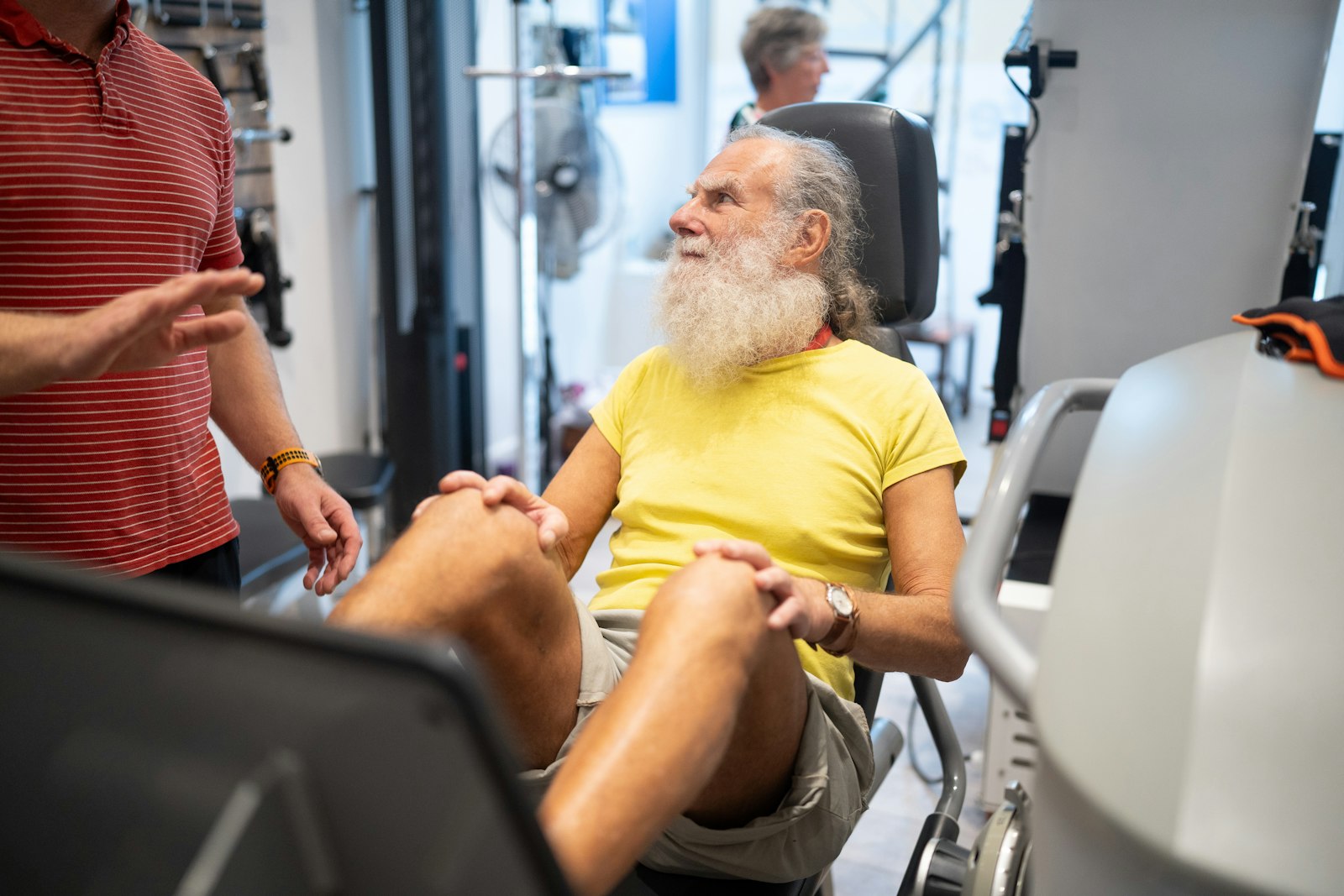
For active adults across Buffalo and Western New York, healthy knees are central to enjoying daily life. Whether your weekend involves long hikes through area parks, training for a Buffalo road race, biking along the waterfront, or simply keeping up with kids and grandkids, your knees are doing a lot of work. Supporting them through movement, strength, and smart daily habits can play an important role in long-term joint health.
While exercise is not a substitute for medical care, it can complement it. At Great Lakes Medical Imaging (GLMI), advanced imaging supports patients across Buffalo, Williamsville, Cheektowaga, Orchard Park, and surrounding WNY communities by helping providers understand what is happening inside the joint and recommend appropriate next steps.
Why Movement Matters for Knee Health
The knee is a working joint that depends on the muscles, ligaments, and tissues around it for stability and support. Regular movement helps:
- Maintain joint range of motion
- Support muscle strength around the knee
- Promote circulation
- Encourage healthy body weight
- Support overall mobility and balance
For most people, gentle, consistent movement supports better long-term joint health than long stretches of inactivity. Of course, any new exercise routine should be discussed with a qualified healthcare provider, especially for those with existing joint concerns.
Strength Training: Supporting the Knee
Strong muscles around the knee — especially the quadriceps, hamstrings, glutes, and calves — help share the load that the joint absorbs during everyday activities. Strength training does not have to involve heavy weights. Many people benefit from:
- Body-weight movements such as gentle squats and step-ups
- Resistance bands
- Light dumbbell or kettlebell exercises
- Pilates-style movements
- Functional movements that mimic daily activities
Working with a qualified professional, such as a physical therapist or trainer, can help ensure exercises are appropriate for your individual needs.
Low-Impact Cardio for Active Western New Yorkers
Low-impact cardio is often a great choice for supporting cardiovascular health while being kind to the knees. Options that work well for many people include:
- Walking, especially in scenic Western New York parks
- Cycling, indoor or outdoor
- Swimming or water aerobics
- Elliptical training
- Rowing
Mixing different types of activity can also help reduce repetitive strain. If knee discomfort changes during exercise, it’s worth pausing and discussing it with a provider. You can also contact GLMI with questions about imaging.
Stretching, Mobility, and Recovery
Stretching and mobility work help maintain flexibility around the knee, hips, and ankles. Tight hip flexors, calves, or IT bands can sometimes contribute to knee discomfort by changing how the joint moves under load.
Helpful habits may include:
- A short warm-up before workouts
- Gentle stretching after exercise
- Foam rolling, when appropriate
- Adequate rest between intense workouts
- Quality sleep to support recovery
These habits are general suggestions, not medical advice. Personalized recommendations should come from a healthcare provider familiar with your situation.
Body Weight and Joint Load
Body weight directly influences the amount of force the knee absorbs during everyday activities such as walking and climbing stairs. Maintaining a healthy weight, in partnership with a healthcare provider, can support long-term joint comfort. This does not mean dramatic dieting; even small, sustainable changes in habits can support overall health.
Listening to Your Body
Movement supports knee health, but pushing through significant pain can sometimes make things worse. Pay attention if you experience:
- Sharp pain during a movement
- Swelling that follows an activity
- A feeling of locking, catching, or instability
- Pain that lingers more than a day or two
- Loss of range of motion
These signals are worth discussing with a healthcare provider. Imaging may be recommended to support a clearer understanding of what is happening inside the joint. The FAQ page outlines what to expect during a visit.
How Imaging Supports Active Lifestyles
For active adults, advanced imaging plays an important role in identifying the underlying cause of knee pain or limited mobility. GLMI provides a comprehensive range of Imaging Services, including X-ray, ultrasound, and advanced MRI on multiple platforms.
For soft-tissue evaluation, MRI options include the Wide Bore 3.0T Magnet and Wide Bore High Field MRI systems. The OPEN 1.2T High Field MRI may offer a more comfortable experience for patients with claustrophobia.
Knee Health for Sports and Beyond
Western New York is home to many active individuals, from high school athletes to adult recreational players. As the official imaging provider for the Buffalo Bills, GLMI brings the same level of attention and technology to every patient who walks through our doors. The Sports Injuries page outlines how diagnostic imaging supports athletes at all levels.
Building Habits That Last
The most powerful exercise routine is one you can stick with. Rather than chasing extreme intensity, many people benefit from consistency — a mix of strength, low-impact cardio, mobility work, and rest, performed regularly over time. Combined with appropriate medical care, that consistency can support knee health for years to come.
Personalized exercise recommendations should always come from a qualified provider who can consider your overall health and any existing conditions.
Convenient Care Across Western New York
As Western New York Minimally Invasive Specialists, GLMI offers imaging and consultation across multiple convenient locations:
- Williamsville
- Cheektowaga
- Orchard Park — Sterling Park
- Orchard Park — Big Tree
- Cambria (Niagara County)
If your provider has recommended imaging for knee concerns, you can schedule your study at the location nearest you.
Move Smart, Stay Active
Active lifestyles are part of what makes Western New York a great place to live. Caring for your knees through smart movement, supportive strength training, and consistent recovery can help support long-term mobility and the activities you love.
For adults who want to stay active and informed, the team at GLMI is here to help. Visit our Interventional Radiology overview or contact GLMI today with any questions.
Medical Disclaimer: This article is intended for educational purposes only and does not constitute medical advice. Always consult your physician or qualified healthcare provider regarding any questions you may have about a medical condition or appropriate diagnostic testing. Individual health circumstances vary, and decisions about imaging or treatment should be made in consultation with your healthcare provider.
‹ Back
Recent Posts
-
Concussion Imaging: When a Head Injury Needs a Scan
October 7, 2026
-

Called Back After a Mammogram? What It Does and Does Not Mean
October 4, 2026
-

-

How Nuclear Medicine Imaging Reveals What Other Scans Can't
September 27, 2026
-

Bone Density Screening: Understanding Your Osteoporosis Risk
September 24, 2026