



Website by 
Our Blog
Leg Pain When You Walk: Understanding Peripheral Arterial Disease
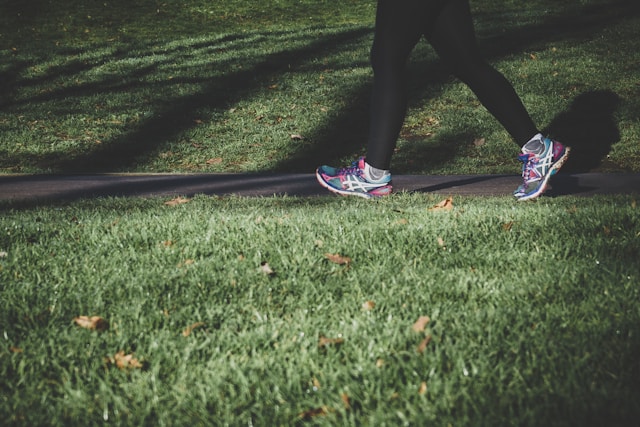
If your legs ache, cramp, or feel tired after just a block or two of walking, and the discomfort eases when you stop and rest, it is easy to write it off as getting older or being out of shape. Sometimes that is all it is. Other times, leg pain that shows up with activity and fades with rest is your body sending a real signal about your circulation.
That pattern has a name, claudication, and it can be a sign of peripheral arterial disease (PAD). At Great Lakes Medical Imaging (GLMI), our interventional radiology and imaging teams help patients across Buffalo and Western New York, including Williamsville, Cheektowaga, Orchard Park, and Cambria in Niagara County, understand what is happening in their legs and what can be done about it.
What Is Peripheral Arterial Disease?
Peripheral arterial disease is present when the arteries that carry blood to your arms or legs narrow or become clogged. Most often this happens because of atherosclerosis, which is the hardening of the arteries. Plaque made of fat, cholesterol, calcium, and other substances builds up inside the artery walls and blocks blood flow. When that happens, oxygen-rich blood cannot reach the tissue the way it should.
Your muscles need a steady supply of oxygen to work, especially when you ask more of them. When you walk, climb stairs, or shovel snow on a cold Western New York morning, your leg muscles work harder and need more blood. If a narrowed artery cannot deliver enough, the muscle protests. That is why so many people first notice PAD when they are on the move.
Claudication: Leg Pain When You Walk
In the legs, reduced blood flow can cause claudication. This is impairment in walking, or pain, discomfort, numbness, or tiredness in the legs that occurs during walking or standing and is relieved by rest. The timing is the telltale part. The discomfort tends to come on with activity and settle down once you sit or stand still for a few minutes.
Symptoms during activity may include:
- Aching or throbbing legs
- Pain and cramping
- Numbness
- Tingling
- Weakness
- Burning
- Discolored skin
If any of this sounds familiar, it is worth paying attention to. Many people adjust their lives around the discomfort, walking shorter distances or avoiding stairs, without realizing there is a circulation issue behind it that can be evaluated.
Who Is More Likely to Have PAD?
Certain health factors make PAD more likely. You may be more likely to have peripheral arterial disease if you have high cholesterol, high blood pressure, diabetes, or a history of smoking. If one or more of these applies to you and you also notice leg discomfort when you walk, that combination is a good reason to talk with your provider.
None of these factors guarantee you have PAD, and having leg pain does not automatically mean you do. The only way to know is to be evaluated. The good news is that finding out is straightforward and does not require anything drastic to get started.
How GLMI Diagnoses PAD
An interventional radiologist can help determine if you have PAD. One of the simplest starting points is the ankle-brachial index, or ABI, test. This test compares the blood pressure in your upper limbs with the blood pressure in your lower limbs. A meaningful difference between the two can point toward reduced blood flow in the legs.
When more detail is needed, imaging gives your care team a clearer picture of where and how much an artery is narrowed. At GLMI, that imaging may include ultrasound, a low dose CT scan, or MRI such as our Wide Bore High Field 1.5T MRI. These tools help your provider evaluate your circulation and decide on the right next step. If you have noticed leg pain when you walk and want to take the first step, you can request scheduling information or call our team at 716-836-4646.
Treatment: A Minimally Invasive Option
For many people, the first approach to PAD involves lifestyle changes that support better circulation. When lifestyle changes are not enough, a minimally invasive interventional radiology treatment may help.
In most cases, the doctor makes a small incision in the groin and, using X-ray or other imaging for guidance, threads a thin catheter through the blood vessels to the blockage. Depending on what the blockage looks like, it may be treated with drugs, balloons, and metal stents to restore blood flow. Because this approach works through a small incision rather than open surgery, usually patients go home the same day, though occasionally they are observed overnight. Follow-up appointments may include ultrasound or other imaging to check how the treated artery is doing over time.
This is something you and your provider decide together, based on your symptoms, your imaging results, and your overall health. You can learn more on our peripheral arterial disease page.
When PAD Becomes More Serious
The most severe form of PAD is called critical limb ischemia, or CLI. This goes beyond pain that comes only with walking. Signs of CLI include severe pain that is often present even at rest, tissue loss such as a non-healing sore, and gangrene. Critical limb ischemia is serious. It will not improve on its own, and it requires immediate attention.
When CLI is suspected, an interventional radiologist performs angiography to determine whether revascularization, meaning opening the blocked artery, will help. This work is done with a multidisciplinary team so that your care is coordinated across the specialists involved. If you ever have constant leg pain at rest or a sore on your foot or leg that is not healing, do not wait. Reach out to your provider promptly.
Convenient Care Across Western New York
GLMI makes it easy to get imaging and interventional care close to home, with several locations across the region:
- Williamsville
- Cheektowaga
- Orchard Park, Sterling Park
- Orchard Park, Big Tree
- Cambria (Niagara County)
Leg pain when you walk is not something you have to simply live around. If activity brings on aching, cramping, numbness, or tiredness that rest relieves, it is worth finding out why. Our team is here to help you understand your circulation and your options. To get started, contact GLMI or call 716-836-4646, and take a step toward walking more comfortably.
Medical Disclaimer: This article is intended for educational purposes only and does not constitute medical advice. Always consult your physician or qualified healthcare provider regarding any questions you may have about a medical condition or appropriate diagnostic testing. Individual health circumstances vary, and decisions about imaging or treatment should be made in consultation with your healthcare provider.
‹ Back
Recent Posts
-

-

How Nuclear Medicine Imaging Reveals What Other Scans Can't
September 27, 2026
-

Bone Density Screening: Understanding Your Osteoporosis Risk
September 24, 2026
-
Preserving Quality of Life With an Enlarged Prostate
September 21, 2026
-
Ankle Sprains That Won't Heal: When to Get Imaging
September 18, 2026