



Website by 
Our Blog
Weekend Warriors: Common Sports Injuries and How Imaging Helps
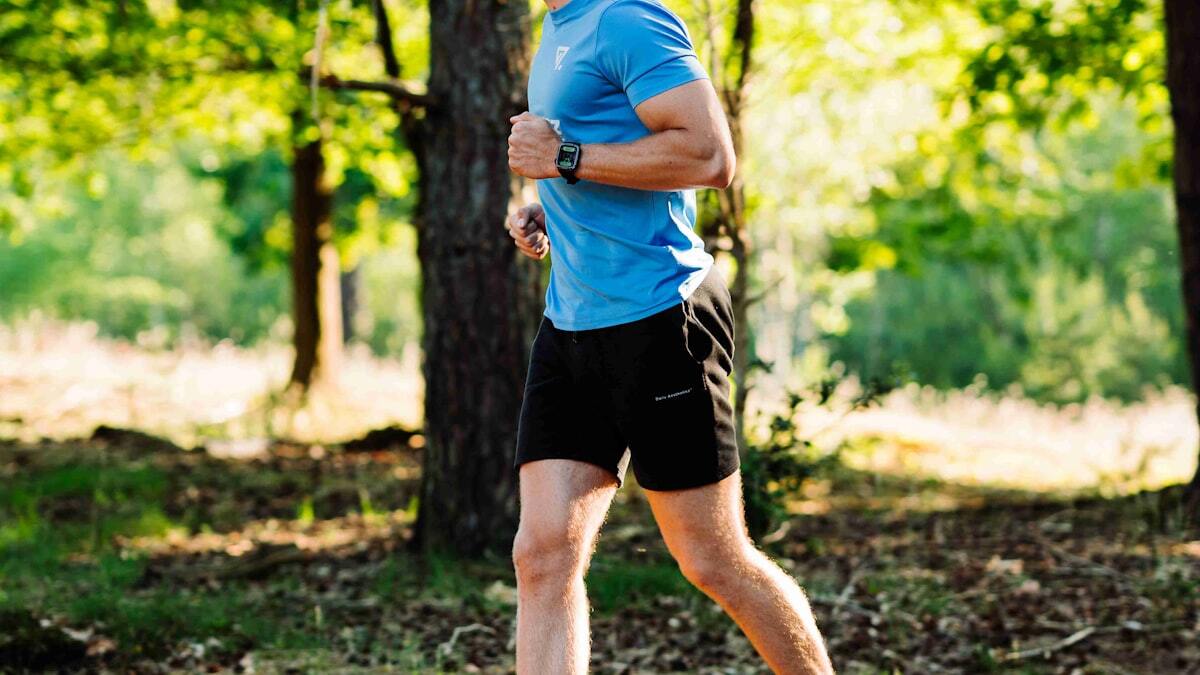
You finished a weekend basketball game, a long trail run, or a pickup hockey skate, and now something does not feel right. Maybe your knee swelled overnight, your shoulder aches when you reach overhead, or your ankle rolled and still will not bear full weight. If you are a recreational adult athlete, you know the feeling well, because staying active in Western New York means putting your joints to work all year long.
The good news is that you do not have to guess about what is going on inside. At Great Lakes Medical Imaging (GLMI), weekend warriors across Buffalo, Williamsville, Cheektowaga, Orchard Park, and Niagara County get fast, accurate imaging that helps their providers understand the injury and build the right recovery plan. As the official imaging provider for the Buffalo Bills, GLMI brings that same level of care to local patients of every skill level.
Who Counts as a Weekend Warrior?
Sports injuries happen to everyone, from high school athletes to weekend warriors to professional players. If you squeeze your workouts, leagues, and pickup games into your free time around work and family, you are a weekend warrior, and you are exactly the kind of patient GLMI sees every day.
That part-time schedule can sometimes lead to full-time aches. When you train hard on a Saturday after a sedentary week, tissues that are not fully conditioned take on a lot of stress at once. The result is the familiar lineup of recreational injuries: a tweaked knee, a sore shoulder, shin pain, or an ankle that gives out. Imaging does not replace your provider's exam, but it gives that exam a clear picture to work from.
Common Injuries Imaging Can Help Evaluate
Diagnostic imaging supports your provider in evaluating a wide range of common sports injuries. Some of the conditions imaging can help diagnose include:
- Knee problems such as ACL or MCL tears and meniscus injuries
- Shoulder injuries including dislocations and rotator cuff tears
- Stress fractures and shin splints from repetitive impact
- Elbow and tendon conditions like tennis elbow and golfer's elbow
- Ankle sprains and Achilles tendon issues
- Hip pain and labral tears
- Head injuries and concussions
- Back injuries or spinal compression
You do not need to know exactly what is wrong before you come in. That is the job of your provider and the imaging team. Your part is simply to pay attention to pain that lingers, swelling that will not settle, or a joint that feels unstable, and to talk with your provider about whether imaging makes sense for you.
Matching the Right Scan to the Right Injury
Not every injury calls for the same kind of imaging. One of the advantages of a comprehensive outpatient center is that several modalities are available under one roof, so your provider can order the test best suited to your situation. Here is how the common options are typically used:
- MRI and Open MRI: Detailed views of soft tissue such as muscles, tendons, and ligaments. These scans are often the choice for evaluating suspected ACL tears, rotator cuff injuries, and meniscus damage. GLMI offers a wide bore high field 1.5T MRI and an OPEN 1.2T high field MRI for patients who prefer a more open feel.
- Ultrasound: A real-time look at muscle tears, sprains, and inflammation, with no radiation involved.
- X-ray and fluoroscopy: X-ray gives fast diagnosis of fractures and dislocations, while fluoroscopy provides real-time imaging for guided joint injections or dynamic movement studies.
- CT: High-resolution imaging for complex injuries and fine bone detail.
- Bone density scans: Used to assess injury risk or to track healing in stress fractures.
Because each tool reveals something different, the right scan can shorten the path from question to answer. If you have been wondering whether that nagging knee needs a closer look, reach out to contact GLMI and the team can help your provider arrange the appropriate study.
Why Speed Matters After a Sports Injury
When you are sidelined, every day off the field feels long. Quick answers help in two ways. First, an early, accurate diagnosis lets your provider start the right treatment sooner, whether that is rest and physical therapy or a referral to an orthopedic specialist. Second, knowing what you are dealing with takes away the worry of the unknown so you can focus on healing.
GLMI provides fast, accurate diagnostic imaging for sports injuries and works closely with referring physicians, orthopedic specialists, and physical therapists to support your treatment plan. With fellowship-trained radiologists reading your images and same-day appointments available at outpatient locations in Buffalo, Cheektowaga, Orchard Park, and Niagara, you do not have to wait weeks to find out what is going on.
Trusted by the Buffalo Bills
GLMI is the official imaging provider for the Buffalo Bills. That partnership reflects a simple idea: the same speed, accuracy, and expertise that support professional athletes are available to the rest of Western New York too. You do not have to play in front of a stadium to deserve a clear answer about your injury.
Whether you are training for a road race in Delaware Park, joining a winter ice hockey league, or hiking the trails near Niagara, your active life matters. Imaging is one of the tools that helps keep you moving safely through every season. To learn more about how scans guide care for athletic injuries, visit the GLMI sports injuries page.
Convenient Care Across Western New York
With several outpatient locations, GLMI makes it easy to get imaging close to home or work:
- Williamsville
- Cheektowaga
- Orchard Park, Sterling Park
- Orchard Park, Big Tree
- Cambria (Niagara County)
Do not let a weekend injury keep you on the bench longer than it has to. If pain, swelling, or weakness is not improving, talk with your provider about imaging, then let GLMI help with the next step. Scheduling is easy: call 716-836-4646, text 716-333-7773, view scheduling information, or use the contact page to get started today.
Medical Disclaimer: This article is intended for educational purposes only and does not constitute medical advice. Always consult your physician or qualified healthcare provider regarding any questions you may have about a medical condition or appropriate diagnostic testing. Individual health circumstances vary, and decisions about imaging or treatment should be made in consultation with your healthcare provider.
‹ Back
Recent Posts
-

Breast Biopsy: What to Expect, Step by Step
October 16, 2026
-
High School Football Injuries: When Your Athlete Needs Imaging
October 13, 2026
-

Breast MRI: Who It Is For and What It Shows
October 10, 2026
-
Concussion Imaging: When a Head Injury Needs a Scan
October 7, 2026
-

Called Back After a Mammogram? What It Does and Does Not Mean
October 4, 2026