



Website by 
Our Blog
How Bone Density Testing Can Prevent Serious Injuries
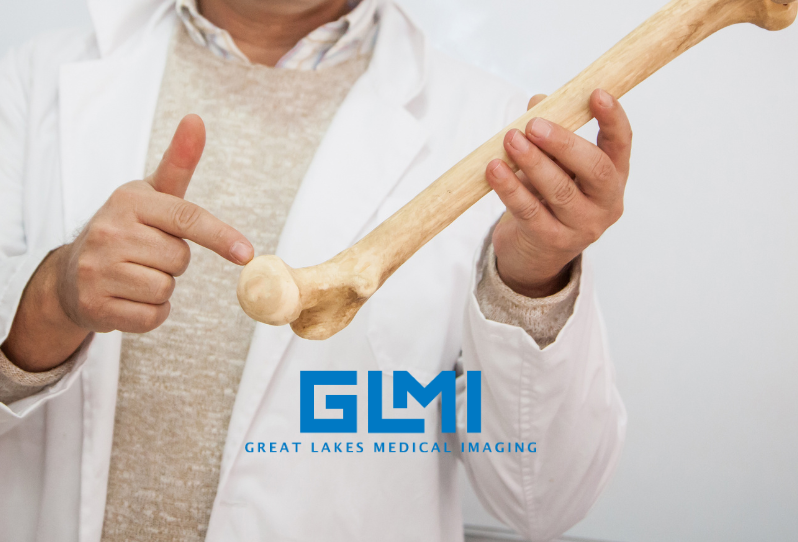
Bone health is something most people don’t think about — until a fracture happens. But bones, just like muscles, weaken over time, especially with age or certain medical conditions. The good news is that bone loss can be detected long before it leads to injury, thanks to a quick, painless imaging procedure known as bone density testing.
At GLMI, we use state-of-the-art bone densitometry technology to help patients across Buffalo, Williamsville, Cheektowaga, Orchard Park, and Cambria monitor bone strength, identify risk factors for osteoporosis, and take steps to prevent fractures before they occur.
Understanding Bone Density Testing
Bone density testing — also known as DEXA (Dual-Energy X-ray Absorptiometry) — is a specialized imaging scan that measures the amount of calcium and other minerals in your bones. This information helps determine how strong or fragile your bones are, allowing doctors to assess your risk for osteoporosis and fractures.
The test is quick, painless, and non-invasive. You’ll lie comfortably on a padded table while a low-dose X-ray scans targeted areas of your body, typically the hips and spine. The entire process takes less than 15 minutes and exposes you to minimal radiation — less than a standard chest X-ray.
Why Bone Density Testing Is Important
As we age, bones naturally lose density and strength. For many, this process happens gradually and without symptoms — until a fall or minor accident results in a broken bone. Bone density testing helps identify bone loss early, long before a fracture occurs.
Early detection allows your doctor to recommend lifestyle changes, supplements, or medications to slow or even reverse bone loss. This proactive approach can dramatically reduce the risk of hip, wrist, and spine fractures — injuries that can severely impact mobility and independence in older adults.
Who Should Get a Bone Density Test?
While anyone can experience bone loss, certain individuals face higher risk and should consider regular bone density testing. You may benefit from testing if you:
- Are a woman over the age of 65 or a man over 70
- Are postmenopausal and not taking estrogen
- Have a personal or family history of osteoporosis
- Have experienced fractures after a minor fall or bump
- Take medications such as corticosteroids that can weaken bones
- Have conditions like rheumatoid arthritis, thyroid disease, or diabetes
- Live a sedentary lifestyle or have a low calcium intake
- Smoke or consume alcohol frequently
If you’re unsure whether you should be screened, your doctor can help determine your risk level based on medical history and lifestyle factors.
How Bone Density Testing Helps Prevent Fractures
The biggest benefit of bone density testing is prevention. By detecting bone loss early, imaging gives patients and physicians the opportunity to take action before serious injuries happen. Here’s how the test helps reduce fracture risk:
- Early detection: Identifies bone thinning before it causes structural weakness or visible symptoms.
- Personalized care: Provides your doctor with detailed data to tailor treatment, whether that means dietary adjustments, supplements, or medication.
- Progress tracking: Repeated bone density scans allow doctors to monitor changes over time and adjust your care plan as needed.
- Reduced fall risk: By strengthening bones and improving balance through preventive strategies, patients are less likely to experience severe injuries.
Osteoporosis is often called the “silent disease” because it progresses without pain or warning — until a fracture occurs. Bone density testing makes it possible to intervene before that happens.
What to Expect During a Bone Density Scan
The procedure is simple and requires no special preparation. You’ll be asked to remove any metal objects, such as jewelry or zippers, and lie flat on the scanning table. The DEXA scanner passes gently over your body, using two low-dose X-ray beams to measure bone thickness.
Once complete, your results are analyzed and compared to average bone density levels for your age and gender. These results are expressed as a “T-score,” which helps your doctor determine whether your bone density is normal, low (osteopenia), or significantly reduced (osteoporosis).
- Normal bone density: T-score above -1.0
- Osteopenia (mild bone loss): T-score between -1.0 and -2.5
- Osteoporosis: T-score below -2.5
From there, your care team can discuss treatment options, nutrition plans, or additional imaging if needed.
How to Protect and Strengthen Your Bones
Imaging is only one part of maintaining bone health — lifestyle choices play a major role in preserving strength and density. Here are a few practical steps that complement regular bone density testing:
- Eat a calcium-rich diet: Include dairy products, leafy greens, and fortified foods.
- Get enough vitamin D: Sunlight exposure or supplements help your body absorb calcium.
- Exercise regularly: Weight-bearing activities like walking, dancing, or resistance training strengthen bones.
- Limit alcohol and avoid smoking: Both accelerate bone loss.
- Discuss medications: Certain treatments can help maintain or rebuild bone density if prescribed early.
Combining healthy habits with imaging insights ensures that you’re doing everything possible to keep your bones strong and resilient.
Why Western New York Patients Choose GLMI
GLMI is a trusted leader in diagnostic imaging across Western New York, offering compassionate care and precise results. Our bone densitometry technology delivers accurate assessments using the latest low-dose imaging systems.
We also offer a full range of imaging services — from MRI and ultrasound to low-dose CT — all interpreted by board-certified radiologists. With locations in Williamsville, Cheektowaga, Orchard Park, and Cambria, we make advanced preventive imaging accessible throughout Western New York.
Take a Proactive Approach to Bone Health
Bone fractures can have life-changing consequences — but they’re often preventable. By scheduling a bone density test, you’re taking an important step toward protecting your mobility, confidence, and independence for years to come.
Contact GLMI today to schedule your bone density test or learn more about how our preventive imaging services support lifelong bone health.
Medical Disclaimer
Medical Disclaimer: This article is for informational purposes only and is not a substitute for professional medical advice. Always consult your physician or qualified healthcare provider about your specific symptoms and treatment options.
‹ Back
Recent Posts
-

Breast Biopsy: What to Expect, Step by Step
October 16, 2026
-

High School Football Injuries: When Your Athlete Needs Imaging
October 13, 2026
-

Breast MRI: Who It Is For and What It Shows
October 10, 2026
-

Concussion Imaging: When a Head Injury Needs a Scan
October 7, 2026
-

Called Back After a Mammogram? What It Does and Does Not Mean
October 4, 2026