



Website by 
Our Blog
Everyday Habits That Can Strengthen — or Strain — Your Veins
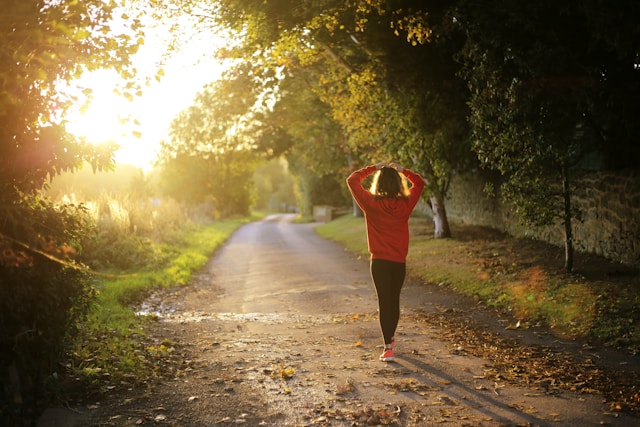
Your veins play a vital role in circulating blood back to your heart, especially from the legs and feet. While genetics and age influence vein health, many daily habits can either support strong circulation or contribute to vein strain and venous disease.
At GLMI, we help patients across Western New York understand how lifestyle habits affect their vascular system and how proactive choices can make a real difference. In this article, you’ll learn about everyday behaviors that strengthen your veins — and those that may increase your risk for vein problems like varicose veins and chronic venous insufficiency.
Why Vein Health Matters
Veins are more than just visible blue lines under your skin — they’re essential for returning blood from your limbs back to your heart. When vein valves weaken or blood flow slows, blood can pool, leading to discomfort, swelling, and visible varicose veins. In more advanced cases, this condition — called venous disease — can affect quality of life and even cause skin changes or ulcers.
Understanding how your habits influence your veins helps you make choices that improve circulation and reduce strain on your vascular system.
Habits That Can Strengthen Your Veins
1. Stay Physically Active
Movement is one of the most powerful ways to support healthy veins. When your calf muscles contract during activity, they help push blood upward toward the heart — reducing pooling in the legs and promoting good circulation.
- Take regular walks, especially after long periods of sitting.
- Try low-impact activities like swimming, cycling, or yoga.
- Stretch or flex your feet and calves throughout the day.
Even light activity helps strengthen the “muscle pump” action that supports veins and reduces pressure on vein valves.
2. Maintain a Healthy Weight
Excess weight places added pressure on the veins in your legs, making it harder for blood to return to the heart. Keeping a healthy weight through balanced eating and regular exercise reduces this strain and supports overall vascular health.
Small, sustainable changes — like choosing whole foods and limiting processed snacks — can make a big difference over time.
3. Elevate Your Legs Regularly
After long days on your feet, elevating your legs can help relieve venous pressure and encourage blood flow back to the heart. Try raising your legs above heart level for 10–15 minutes a few times a day, especially if you stand or sit for long periods.
This simple practice eases pressure on your veins and can reduce swelling and fatigue.
4. Wear Compression Socks When Appropriate
Compression socks provide gentle pressure that helps keep blood moving upward through the leg veins. For many people — especially those on their feet all day, pregnant individuals, or those with early symptoms of venous insufficiency — compression can offer comfort and support.
Talk with your healthcare provider if compression socks might be right for your specific needs.
5. Hydrate Well Every Day
Proper hydration supports blood volume and vessel elasticity. When you’re dehydrated, your blood becomes thicker and harder to pump, which can increase strain on your veins. Drinking plenty of water throughout the day helps your circulatory system function more efficiently.
This is particularly important in dry winter months and after exercise.
Habits That Can Strain Your Veins
1. Sitting or Standing for Long Periods
Remaining in one position for a long time — whether sitting at a desk or standing in place — can slow blood flow and increase pressure in the leg veins. This can lead to pooling of blood, swelling, and discomfort over time.
Try to take frequent breaks every 30–60 minutes: stand up, stretch, walk for a few minutes, or do gentle ankle pumps to keep blood moving.
2. Crossing Your Legs Frequently
Crossing your legs while sitting may feel comfortable, but it can compress veins and slow circulation — especially during long periods of sitting. Keeping your feet flat on the floor with hips and knees at approximately 90 degrees supports better blood flow.
3. Wearing Tight Clothing
Pants or hosiery that are very tight around the waist, groin, or thighs can restrict venous return — making it harder for blood to flow back to the heart. Choose comfortable, non-restrictive clothing when possible, especially during long periods of travel or desk work.
4. Ignoring Early Symptoms
Early signs such as leg heaviness, aching, or visible veins may seem minor, but they can indicate developing issues with circulation and vein valve function. Ignoring these symptoms allows vein problems to progress, sometimes leading to more advanced venous disease.
Regular monitoring of symptoms and preventive evaluation by a physician or imaging specialist helps catch and address concerns before they worsen.
5. Smoking and Excessive Alcohol Use
Tobacco use and heavy alcohol consumption can negatively affect your cardiovascular system, including veins and arteries. Smoking, in particular, damages blood vessels and reduces oxygen delivery to tissues, contributing to premature vascular aging and increased risk of vein dysfunction.
Reducing or eliminating these habits supports long-term vascular health and overall cardiovascular function.
When to Seek Help for Vein Concerns
If you notice any of the following, it may be time to discuss a vascular evaluation with your doctor:
- Leg pain, aching, or heaviness
- Visible bulging veins or new varicose veins
- Swelling in the lower legs or ankles
- Skin discoloration or irritation around veins
- Slow-healing sores on the lower legs
- Numbness or tingling in the feet
Many of these symptoms have lifestyle components that can be improved, but imaging — such as vascular ultrasound — provides the clarity needed to know exactly what’s happening inside your veins.
Why Vein Health Should Be Part of Your Wellness Routine
Veins often don’t get the attention they deserve until symptoms are uncomfortable or visible. But because circulation is essential to every part of your body — from muscle recovery to heart health — strengthening vein function should be part of a complete preventive health strategy.
Integrating good habits into your daily routine — from staying active and hydrated to taking breaks from prolonged sitting — does more than support vein health. It supports your overall cardiovascular system, energy level, and quality of life.
How GLMI Helps Patients Understand Vein Health
At GLMI, we offer comprehensive services to help patients evaluate and support their vascular system. Our dedicated Veins and Venous Disease evaluations use advanced imaging to identify early signs of venous insufficiency, varicose veins, and other circulation concerns. By combining lifestyle insights with clinical imaging, we help patients create a path to stronger vein health.
With a range of imaging services and multiple locations in Western New York, GLMI makes preventive care and follow-up evaluation convenient and accessible.
Take Control of Your Vein Health Today
Everyday habits matter — and small changes can make a big difference for your veins. Whether you’re strengthening your circulation or avoiding habits that strain your veins, proactive choices help protect your vascular health for years to come.
Contact GLMI to learn more about vein health evaluations and take the next step toward better circulation and wellness.
Medical Disclaimer
Medical Disclaimer: This article is for informational purposes only and is not a substitute for professional medical advice. Always consult your physician or qualified healthcare provider about your specific symptoms and treatment options.
‹ Back
Recent Posts
-

Bone Density Screening: Understanding Your Osteoporosis Risk
September 24, 2026
-
Preserving Quality of Life With an Enlarged Prostate
September 21, 2026
-
Ankle Sprains That Won't Heal: When to Get Imaging
September 18, 2026
-
Minimally Invasive Treatment Options for Poor Leg Circulation
September 15, 2026
-
Thyroid Nodules: How Ultrasound Helps Evaluate a Lump in Your Neck
September 12, 2026