
Website by 
Our Blog
Why Early Vascular Screenings Save Lives in Western New York
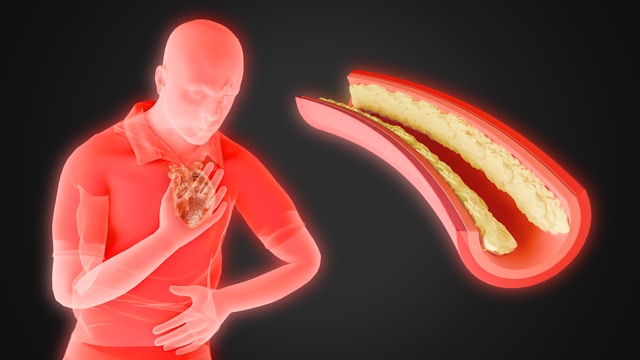
Many serious health conditions begin silently, with no pain or symptoms to warn you that something is wrong. Vascular disease is one of them. The same arteries and veins that carry blood throughout your body can slowly become narrowed or blocked over time — increasing your risk for heart attack, stroke, or peripheral artery disease (PAD). The good news is that with early vascular screenings, these problems can be detected long before they become life-threatening.
At GLMI, we’re proud to help patients across Western New York stay proactive about their vascular health. Through advanced imaging and preventive screenings, we detect early signs of circulation problems and empower patients to take control of their long-term well-being. Here’s why early vascular screenings truly save lives — and why scheduling yours could be one of the most important health decisions you make this year.
Understanding the Importance of Vascular Health
Your vascular system — made up of arteries, veins, and capillaries — is responsible for delivering oxygen and nutrients throughout your body. When blood flow is reduced or interrupted, vital organs and tissues don’t receive enough oxygen, leading to damage that can have lasting consequences. Conditions like peripheral artery disease (PAD), aneurysms, and carotid artery disease often develop gradually, showing little to no symptoms until an emergency occurs.
By identifying vascular problems early through screening, patients can avoid major complications such as stroke, amputation, or heart failure. Preventive imaging not only detects issues but also guides physicians in creating effective treatment plans tailored to each patient’s risk factors and needs.
What Is a Vascular Screening?
A vascular screening is a series of non-invasive imaging tests designed to assess blood flow and identify blockages, narrowing, or other abnormalities within your blood vessels. At GLMI, our vascular screenings are quick, painless, and highly effective at uncovering early warning signs of disease.
These screenings often include:
- Vascular Ultrasound: Uses sound waves to visualize arteries and veins in real time, detecting narrowing, clots, or valve issues.
- Carotid Artery Imaging: Evaluates blood flow to the brain and identifies plaque buildup that could lead to stroke.
- Peripheral Artery Disease Testing: Assesses blood flow to the legs and feet to detect early signs of arterial blockages.
- Abdominal Aortic Aneurysm Screening: Detects dangerous bulges in the body’s main artery before rupture occurs.
Each test is performed by highly trained technologists using advanced imaging equipment, ensuring both accuracy and comfort during the process.
Why Early Detection Is Critical
Vascular disease often develops quietly over years, making early detection your best defense. Without imaging, the first sign of vascular disease might be a stroke, heart attack, or limb-threatening complication — all of which could have been prevented with timely screening.
Early vascular screenings help to:
- Identify hidden risk factors: Screenings can reveal narrowing arteries or poor circulation before symptoms appear.
- Prevent medical emergencies: Early detection allows doctors to intervene before a blockage leads to stroke or heart attack.
- Guide lifestyle and treatment changes: Results from imaging help patients adopt better habits or start medications that improve long-term vascular health.
- Monitor chronic conditions: For patients with diabetes, high cholesterol, or hypertension, regular screenings help track changes over time.
In short, early imaging turns invisible risks into actionable information — and that information can save lives.
Who Should Consider a Vascular Screening?
Anyone can benefit from learning more about their vascular health, but certain individuals are at a higher risk and should consider regular screenings, especially after age 50. You should talk to your doctor about vascular screening if you:
- Have high blood pressure, high cholesterol, or diabetes
- Smoke or have a history of smoking
- Have a family history of heart attack, stroke, or aneurysm
- Experience leg pain, cramping, or numbness when walking
- Notice swelling, discoloration, or varicose veins in the legs
- Have had previous vascular surgery or stent placement
Even without symptoms, early screening provides peace of mind and valuable insights into your circulatory health.
Common Conditions Detected Through Vascular Screening
Vascular imaging can reveal a wide range of conditions that may otherwise go unnoticed until they become critical. Some of the most common include:
- Carotid Artery Disease: Plaque buildup in the arteries that supply blood to the brain, increasing stroke risk.
- Peripheral Artery Disease (PAD): Reduced blood flow to the legs and feet caused by arterial narrowing.
- Aneurysms: Dangerous ballooning of arteries, particularly in the abdomen or chest.
- Venous Insufficiency: Poor vein valve function leading to varicose veins, swelling, and discomfort.
- Deep Vein Thrombosis (DVT): Blood clots in the deep veins that can travel to the lungs and cause serious complications.
All of these conditions can be effectively managed — or even prevented — when detected through early vascular imaging.
How Imaging Improves Treatment Outcomes
Once vascular disease is detected, imaging continues to play an important role in treatment and follow-up care. High-resolution scans allow doctors to measure the severity of blockages, plan minimally invasive procedures, and monitor recovery after treatment.
For example, a patient with early-stage PAD may be able to manage their condition with exercise and medication instead of surgery — but only if it’s caught before circulation deteriorates. Similarly, an individual with a small aneurysm can be monitored safely over time through imaging, avoiding emergency surgery.
By providing clarity and precision, imaging gives patients and physicians the information they need to make confident, timely decisions about care.
Why Western New York Patients Trust GLMI for Vascular Screenings
GLMI has been a trusted name in diagnostic imaging across Western New York for decades. Our board-certified radiologists and skilled technologists specialize in vascular and preventive imaging, using cutting-edge equipment to deliver clear, reliable results.
We offer a full range of imaging services, including vascular ultrasound, low-dose CT scans, and vein and venous disease assessments. With convenient locations in Williamsville, Cheektowaga, Orchard Park, and Cambria, patients can access top-tier vascular screenings close to home — without long wait times.
Take a Proactive Approach to Vascular Health
Vascular disease is one of the most preventable causes of serious illness and death — but only if it’s found early. Through regular vascular screenings, you can identify issues before symptoms appear, protect your circulation, and make lasting improvements to your overall health.
If you have risk factors or are simply ready to be proactive about your health, now is the perfect time to schedule a screening. The earlier vascular disease is detected, the easier it is to treat — and the greater your chances of avoiding complications later in life.
Contact GLMI today to schedule your vascular screening and take the first step toward a healthier, longer life in Western New York.
Medical Disclaimer
Medical Disclaimer: This article is for informational purposes only and is not a substitute for professional medical advice. Always consult your physician or qualified healthcare provider about your specific symptoms and treatment options.
‹ Back
Recent Posts
-

Scheduling Your Annual Mammogram in Western New York
October 25, 2026
-

-

-

Breast Biopsy: What to Expect, Step by Step
October 16, 2026
-

High School Football Injuries: When Your Athlete Needs Imaging
October 13, 2026