



Website by 
Our Blog
Why Repeat Imaging Scans Are Sometimes Necessary
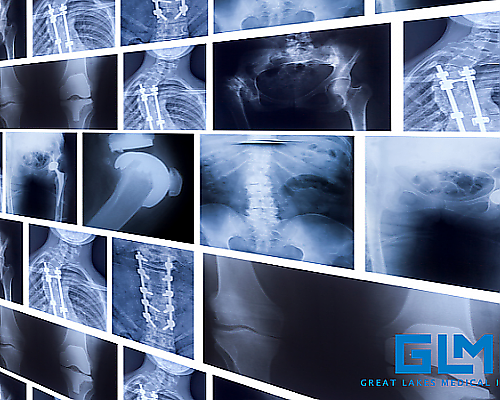
It’s natural to wonder why your doctor might order another imaging scan, especially if you’ve already had one recently. But repeat imaging is not about redundancy — it’s about accuracy, safety, and effective care. In many cases, follow-up scans are essential for tracking progress, confirming healing, or identifying subtle changes that could influence your treatment plan.
At GLMI, we provide patients across Buffalo, Williamsville, Cheektowaga, Orchard Park, and Cambria with the clarity needed for confident care decisions. Here’s why repeat imaging is sometimes necessary — and how it plays a vital role in managing your health.
Understanding the Purpose of Repeat Imaging
Imaging scans such as CT, PET/CT, ultrasound, or nuclear medicine tests are diagnostic tools that capture detailed pictures of what’s happening inside your body. These images allow doctors to detect, evaluate, and monitor a wide range of conditions — from vascular disease and cancer to fractures and organ dysfunction.
Because health conditions change over time, one scan often isn’t enough to provide the complete story. Repeat imaging gives doctors updated insight into your body’s current state and how well treatments are working.
Reasons Your Doctor Might Order a Repeat Scan
There are several valid medical reasons why physicians recommend repeat imaging. These include:
1. Monitoring Disease Progression or Recovery
For patients with chronic or serious conditions, follow-up imaging helps track how the disease is progressing. For example, repeat PET/CT scans in cancer care can show whether a tumor is shrinking, stable, or growing after treatment. Similarly, ultrasound or CT imaging can monitor vascular blockages or inflammation to assess improvement or healing.
2. Verifying Treatment Effectiveness
Repeat imaging helps physicians evaluate whether a prescribed treatment, surgery, or therapy is producing the desired results. It can confirm that a bone fracture is healing correctly, that a stent is open and functioning, or that an infection has cleared.
3. Detecting Complications or New Developments
Sometimes, repeat scans are needed if symptoms change or new concerns arise. Conditions like vascular disease or organ damage can progress quickly, and updated imaging provides doctors with critical information to act promptly.
4. Comparing with a Baseline Image
Your first imaging exam establishes a baseline — a visual reference for your future health. Comparing current images to that baseline allows radiologists to spot even minor changes that might indicate early disease or a new problem developing.
5. Clarifying Inconclusive Results
Occasionally, an initial scan may be unclear due to factors like patient movement, technical limitations, or complex anatomy. A repeat scan ensures that doctors have the clearest possible view before making a diagnosis or treatment decision.
6. Following Up After Surgery or Intervention
After procedures like vascular surgery, stent placement, or tumor removal, follow-up imaging is essential to confirm that everything is functioning properly and that no complications have developed.
Safety and Frequency Considerations
One of the most common patient concerns about repeat imaging is safety — particularly regarding radiation exposure. At GLMI, we use advanced low-dose CT technology and modern imaging systems designed to minimize exposure while maintaining diagnostic accuracy.
Most imaging studies, including ultrasound and nuclear medicine, are extremely safe and non-invasive. Your physician will always balance the benefits of repeat imaging against any potential risks — ensuring that every scan performed is medically justified and necessary for your care.
How Repeat Imaging Improves Long-Term Outcomes
Consistent imaging allows doctors to make data-driven decisions and avoid unnecessary treatments. With clear, up-to-date images, your healthcare team can:
- Identify complications before symptoms appear
- Track how effectively a treatment plan is working
- Prevent disease progression through early intervention
- Reduce uncertainty and improve diagnostic accuracy
Ultimately, repeat imaging helps your doctor provide more personalized, precise care — ensuring that every medical decision is based on the most accurate information available.
Examples of When Repeat Imaging Makes a Difference
- Cardiovascular Disease: Repeat CT scans or ultrasound studies can detect how quickly arterial plaque is progressing and determine if lifestyle changes or medication are working.
- Cancer Care: Sequential PET/CT scans help oncologists see how tumors respond to chemotherapy or radiation and whether further treatment is needed.
- Post-Surgery Recovery: Follow-up scans verify healing and ensure no infection or internal bleeding has occurred after surgery.
- Vascular Health: For patients with chronic vein issues or venous disease, imaging provides ongoing insights into blood flow and vessel health.
In each of these cases, repeat imaging is not excessive — it’s essential. It provides valuable data that guides physicians toward the safest and most effective path forward.
What Patients Can Do to Prepare for Repeat Imaging
If your doctor has ordered a follow-up scan, preparation is usually straightforward. Be sure to:
- Bring previous imaging results or reports if they were taken at another facility.
- Follow any fasting or contrast preparation instructions provided before your exam.
- Wear comfortable clothing and remove jewelry or metal objects.
- Communicate openly about any recent health changes, medications, or concerns.
GLMI’s technologists and staff will walk you through the process so you feel comfortable and confident at every step.
Why Western New York Patients Trust GLMI
At GLMI, our priority is patient-centered care built on precision, safety, and trust. We use state-of-the-art imaging equipment and advanced protocols to ensure accurate, high-quality results every time. Our experienced radiologists collaborate closely with referring physicians to provide actionable insights that support timely, effective care.
With locations in Williamsville, Cheektowaga, Orchard Park, and Cambria, we make it easy for patients across Western New York to access trusted imaging close to home.
When in Doubt, Ask Questions
It’s always okay to ask your doctor why repeat imaging is needed. Understanding the purpose behind each scan helps you feel more informed and involved in your care. Most repeat imaging provides valuable reassurance — confirming that you’re healing properly or that a treatment is working as intended.
If your doctor has recommended another imaging exam, know that it’s a key part of ensuring the best possible outcome for your health.
Contact GLMI today to schedule your imaging appointment or learn more about our advanced diagnostic services throughout Western New York.
Medical Disclaimer
Medical Disclaimer: This article is for informational purposes only and is not a substitute for professional medical advice. Always consult your physician or qualified healthcare provider about your specific symptoms and treatment options.
‹ Back
Recent Posts
-

Bone Density Screening: Understanding Your Osteoporosis Risk
September 24, 2026
-

Preserving Quality of Life With an Enlarged Prostate
September 21, 2026
-

Ankle Sprains That Won't Heal: When to Get Imaging
September 18, 2026
-

Minimally Invasive Treatment Options for Poor Leg Circulation
September 15, 2026
-

Thyroid Nodules: How Ultrasound Helps Evaluate a Lump in Your Neck
September 12, 2026