



Website by 
Our Blog
What Your Carotid Arteries Can Reveal About Your Future Health
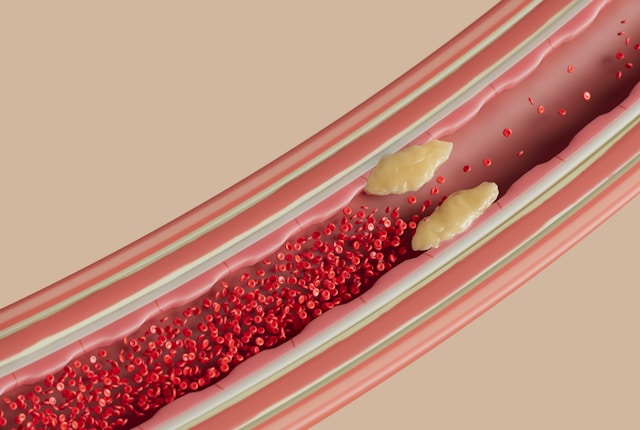
In Buffalo and across Western New York, conversations about heart health often focus on cholesterol numbers or blood pressure readings. While those metrics are important, they do not always tell the full story. One of the most revealing indicators of long-term cardiovascular and neurological risk may be found in the carotid arteries — the major blood vessels in your neck that supply blood to the brain.
Carotid artery health can offer valuable insight into your future risk of stroke, heart attack, and systemic vascular disease. At Great Lakes Medical Imaging (GLMI), advanced diagnostic imaging helps physicians throughout Buffalo, Williamsville, Cheektowaga, Orchard Park, and surrounding WNY communities evaluate carotid artery structure and blood flow as part of a proactive approach to preventive care.
What Are the Carotid Arteries?
The carotid arteries are two large blood vessels located on each side of the neck. Their primary role is to deliver oxygen-rich blood from the heart to the brain. Because they are major conduits of circulation, changes within these arteries can reflect broader vascular health.
Over time, plaque composed of cholesterol, fat, calcium, and inflammatory material can accumulate along arterial walls — a process known as atherosclerosis. When plaque builds up in the carotid arteries, it can narrow blood flow to the brain and increase the risk of stroke.
Importantly, this narrowing often develops silently.
Why Carotid Artery Health Matters in Western New York
Buffalo and Western New York have a significant population over age 50, and age remains one of the strongest risk factors for vascular disease. Combined with regional factors such as long winters, reduced seasonal activity, and elevated rates of hypertension and high cholesterol, carotid artery evaluation becomes especially relevant locally.
Cold Western New York winters can also contribute to temporary increases in blood pressure due to vasoconstriction. Over time, elevated blood pressure may damage arterial walls and accelerate plaque buildup.
For residents of WNY, understanding carotid health is part of understanding long-term cardiovascular and neurological risk.
Carotid Arteries as a Window Into Systemic Vascular Health
The condition of the carotid arteries often mirrors the condition of arteries throughout the body. If plaque is forming in the carotids, it may also be present in coronary arteries (which supply the heart) or peripheral arteries (which supply the legs).
That makes carotid imaging more than a stroke-prevention tool. It can also provide insight into:
- Overall cardiovascular risk
- Likelihood of future heart attack
- Systemic arterial inflammation
- Progression of atherosclerosis
In that sense, carotid evaluation supports a broader preventive strategy.
Silent Progression: Why Symptoms May Not Appear Early
Many people assume that serious arterial narrowing would cause obvious warning signs. In reality, carotid artery disease often develops without symptoms until a significant blockage or clot occurs.
Warning signs such as transient ischemic attacks (TIAs), sudden weakness, facial drooping, or speech difficulty may only appear when narrowing is already advanced.
This is why early evaluation — when clinically appropriate — can be so valuable. Imaging helps identify structural changes before an emergency occurs.
How Imaging Evaluates the Carotid Arteries
Modern diagnostic imaging allows physicians to assess carotid artery structure and blood flow noninvasively. Depending on the clinical situation, imaging may evaluate:
- Degree of arterial narrowing
- Plaque presence and characteristics
- Blood flow velocity
- Structural abnormalities
Through comprehensive Imaging Services, GLMI provides advanced diagnostic support for patients throughout Buffalo and Western New York.
These studies are typically comfortable and efficient, and results are shared with the referring physician to guide next steps.
Risk Factors for Carotid Artery Disease
Individuals in Buffalo and surrounding WNY communities may consider discussing carotid evaluation with their healthcare provider if they have:
- High blood pressure
- High cholesterol
- Diabetes
- Smoking history
- Family history of stroke or heart disease
- Age over 60
Even in the absence of symptoms, these risk factors increase the likelihood of arterial plaque formation.
The Link Between Carotid Arteries and Brain Health
The brain depends on consistent, oxygen-rich blood flow. When carotid arteries narrow, the risk of stroke increases. Even minor disruptions in blood flow can affect neurological function.
Beyond stroke prevention, carotid artery health may also relate to long-term cognitive well-being. Reduced cerebral perfusion over time has been associated with certain neurological concerns. While many factors influence brain health, vascular integrity remains a foundational component.
For Western New Yorkers prioritizing longevity and cognitive health in 2026, vascular awareness is part of the conversation.
Prevention vs. Reaction: A Proactive Approach
One of the most significant shifts in healthcare today is the move toward proactive evaluation. Rather than waiting for stroke symptoms or emergency events, preventive imaging allows physicians to identify and monitor risk earlier.
Carotid artery imaging is not appropriate for everyone and should always be discussed with a healthcare provider. However, when clinically indicated, it can provide clarity that routine office visits alone may not reveal.
Early detection often leads to manageable interventions such as:
- Lifestyle adjustments
- Medication optimization
- Blood pressure control strategies
- Cholesterol management
These steps may significantly reduce long-term risk when implemented early.
Regional Access to Advanced Imaging in Buffalo
Residents of Buffalo, Williamsville, Cheektowaga, Orchard Park, and surrounding Western New York communities benefit from local access to advanced diagnostic technology. Convenient Locations throughout WNY make preventive imaging more accessible without extended travel.
GLMI works collaboratively with referring physicians to ensure that imaging studies are appropriate, timely, and aligned with each patient’s overall care plan.
What Carotid Imaging Can Mean for Your Future
Your carotid arteries can reveal more than current blood flow — they can provide insight into your future cardiovascular and neurological health trajectory. Detecting plaque early allows for strategic intervention before complications arise.
For individuals in Western New York who have risk factors or family history of stroke, carotid evaluation may offer valuable information that shapes long-term health planning.
If you and your physician determine that carotid imaging is appropriate, you can schedule an appointment here.
Looking Ahead: Building a Preventive Mindset in 2026
Healthcare in 2026 increasingly emphasizes anticipation rather than reaction. Understanding the role of carotid arteries in overall vascular health empowers patients to engage in informed conversations with their providers.
In Buffalo and throughout Western New York, where cardiovascular risk factors remain prevalent, early detection through appropriate imaging can be a meaningful part of protecting long-term health.
Your carotid arteries may not cause symptoms today — but what they reveal can help shape a healthier future.
Medical Disclaimer: This article is intended for educational purposes only and does not constitute medical advice. Always consult your physician or qualified healthcare provider regarding any questions you may have about a medical condition or appropriate diagnostic testing. Individual health circumstances vary, and decisions about imaging or treatment should be made in consultation with your healthcare provider.
‹ Back
Recent Posts
-

Thyroid Nodules: How Ultrasound Helps Evaluate a Lump in Your Neck
September 12, 2026
-

3.0T vs 1.5T MRI: What the Strength of the Magnet Means for You
September 9, 2026
-

Restless, Aching Legs at Night: Could It Be a Vein Problem?
September 6, 2026
-

How Vascular Ultrasound Checks Blood Flow Without a Single Incision
September 3, 2026
-