



Website by 
Our Blog
What Happens During an Imaging Appointment? A Step-by-Step Guide for Buffalo Patients
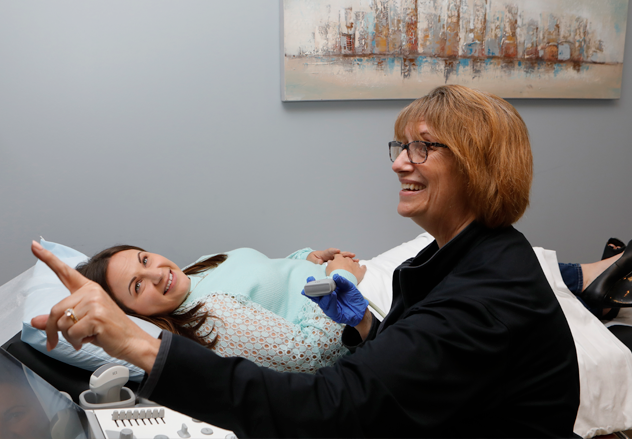
For many patients in Buffalo and across Western New York, an imaging appointment can feel unfamiliar or even intimidating — especially if it’s their first time. Questions about preparation, timing, safety, and results are common. Understanding what to expect can make the experience smoother and more comfortable.
At Great Lakes Medical Imaging (GLMI), patients from Buffalo, Williamsville, Cheektowaga, Orchard Park, and surrounding WNY communities rely on advanced diagnostic imaging to support accurate diagnoses and preventive care. This step-by-step guide explains what typically happens during an imaging appointment and how imaging fits into your broader healthcare plan.
Step 1: Scheduling Your Appointment
Most imaging appointments are scheduled after a referral from your physician. Once imaging is recommended, you can schedule an appointment here at a convenient GLMI location in Western New York.
During scheduling, you may be asked:
- The type of imaging study ordered
- Your availability
- Insurance information
- Basic medical history questions
Some imaging exams require specific preparation instructions, which will be explained in advance.
Step 2: Preparing for Your Visit
Preparation varies depending on the type of imaging. For example:
- Some MRI studies may require removal of metal objects.
- Certain CT or ultrasound exams may require fasting.
- Bone density testing typically requires minimal preparation.
If you are unsure about preparation, reviewing the details before your appointment helps avoid delays. Clear instructions are provided when scheduling.
GLMI offers comprehensive Imaging Services across multiple specialties, so preparation instructions are tailored to each specific exam.
Step 3: Arriving at a GLMI Location
On the day of your appointment, plan to arrive a few minutes early. With multiple convenient Locations throughout Buffalo and Western New York, patients can choose a site that best fits their schedule.
Upon arrival, you will:
- Check in at the front desk
- Confirm personal and insurance information
- Complete any required medical questionnaires
Staff members are available to answer questions and ensure you understand the process.
Step 4: Meeting the Technologist
Before your imaging study begins, a certified technologist will review your exam order and explain what will happen. You will have an opportunity to ask questions.
The technologist’s role is to ensure the images are captured safely and accurately. They will:
- Confirm the correct imaging study
- Position you appropriately for the exam
- Provide instructions during the procedure
Depending on the study, you may be asked to remain still, hold your breath briefly, or change positions.
Step 5: During the Imaging Exam
The experience varies based on the type of imaging being performed. Common imaging modalities include:
- MRI: Uses magnetic fields and radio waves to create detailed images.
- CT: Uses X-rays to generate cross-sectional images.
- Ultrasound: Uses sound waves to visualize soft tissues and blood flow.
- X-ray: Captures images of bones and certain organs.
- Bone Densitometry: Measures bone mineral density.
Most imaging studies are painless. Some exams may involve contrast material to enhance image clarity, depending on your physician’s order.
Throughout the procedure, technologists monitor your comfort and safety.
Step 6: After the Exam
Once imaging is complete, you can typically resume normal activities immediately unless otherwise instructed. If contrast material was used, you may be advised to drink fluids.
The images are then reviewed by a radiologist — a physician trained in interpreting diagnostic imaging.
Step 7: Results and Follow-Up
Radiologists analyze the images and generate a detailed report for your referring physician. Your doctor will discuss the findings with you and determine next steps.
Imaging results may:
- Confirm a diagnosis
- Rule out certain conditions
- Identify early changes requiring monitoring
- Guide treatment planning
Imaging supports informed decision-making rather than guesswork.
Safety and Quality Standards
Patients in Buffalo and Western New York often ask about safety. Modern imaging technology is designed with patient safety in mind. Radiation-based studies use the lowest effective dose necessary. MRI does not use ionizing radiation.
GLMI follows established safety protocols and works collaboratively with referring physicians to ensure imaging is clinically appropriate.
Common Patient Questions
Will the exam hurt?
Most imaging exams are painless. Some may involve mild discomfort from positioning, but technologists work to ensure comfort.
How long will it take?
Exam times vary. Some studies take 10–20 minutes, while others may take longer depending on complexity.
When will I get results?
Results are sent to your referring physician, who will communicate findings with you.
Why Imaging Matters in Preventive Care
Imaging is not only used when symptoms appear. In many cases, it plays a role in early detection and preventive health planning — particularly for cardiovascular, vascular, bone, and neurological concerns.
For residents of Buffalo and surrounding WNY communities, access to advanced diagnostic services supports proactive health management rather than reactive emergency care.
Imaging With Confidence in Western New York
Understanding what happens during an imaging appointment helps reduce uncertainty. From scheduling to results, each step is designed to provide clarity and support accurate diagnosis.
Whether your imaging is part of preventive screening or diagnostic evaluation, GLMI serves patients across Buffalo, Williamsville, Cheektowaga, Orchard Park, and neighboring communities with advanced technology and experienced clinical oversight.
If your physician has recommended imaging, you can schedule an appointment here at a convenient Western New York location.
Imaging provides insight. Insight supports better healthcare decisions. And informed decisions help protect long-term health in Buffalo and beyond.
Medical Disclaimer: This article is intended for educational purposes only and does not constitute medical advice. Always consult your physician or qualified healthcare provider regarding any questions you may have about a medical condition or appropriate diagnostic testing. Individual health circumstances vary, and decisions about imaging or treatment should be made in consultation with your healthcare provider.
‹ Back
Recent Posts
-

-

How Nuclear Medicine Imaging Reveals What Other Scans Can't
September 27, 2026
-

Bone Density Screening: Understanding Your Osteoporosis Risk
September 24, 2026
-
Preserving Quality of Life With an Enlarged Prostate
September 21, 2026
-

Ankle Sprains That Won't Heal: When to Get Imaging
September 18, 2026