



Website by 
Our Blog
How Small Lifestyle Changes Can Boost Circulation in Just Weeks
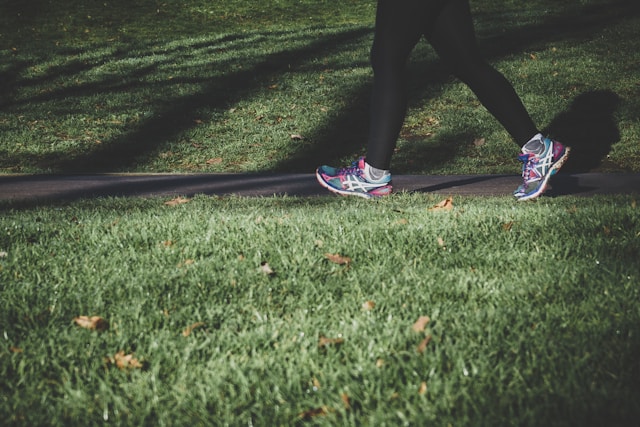
In Buffalo and throughout Western New York, circulation problems often develop gradually — and so do the habits that influence them. Long winters, sedentary routines, desk-based work, and cold-weather vasoconstriction can quietly impact vascular efficiency over time. The good news? Circulation can respond positively to small, consistent lifestyle changes.
While structural vascular disease requires medical evaluation, many individuals in Buffalo, Williamsville, Cheektowaga, Orchard Park, and surrounding WNY communities can improve day-to-day circulation with manageable adjustments. At Great Lakes Medical Imaging (GLMI), preventive imaging supports early detection when needed, but lifestyle remains a powerful foundation for vascular health.
Why Circulation Matters More Than You Think
Your circulatory system delivers oxygen and nutrients to tissues throughout the body. Efficient blood flow supports heart health, brain function, muscle recovery, and overall vitality. When circulation slows or becomes impaired, symptoms may include:
- Cold hands or feet
- Leg heaviness or swelling
- Numbness or tingling
- Fatigue during mild exertion
- Delayed recovery after activity
In Western New York, these symptoms are often dismissed as seasonal discomfort — especially during winter. But subtle circulation changes can persist into spring if underlying habits do not shift.
1. Move More Frequently — Even in Small Doses
Prolonged sitting is one of the most common contributors to reduced lower-extremity circulation. Many adults in Buffalo work desk-based jobs or spend long hours indoors during colder months.
Simple movement strategies can improve blood flow within weeks:
- Standing or walking for five minutes every hour
- Taking short daily walks around the neighborhood
- Using stairs instead of elevators
- Performing calf raises or ankle pumps while seated
Muscle contractions help push blood back toward the heart, especially from the legs. Even brief, consistent activity can improve venous return and reduce feelings of heaviness.
2. Prioritize Hydration
Hydration plays a subtle but meaningful role in circulation. Adequate fluid intake supports healthy blood volume and viscosity. During Buffalo winters, indoor heating and reduced thirst cues often lead to mild dehydration.
Increasing water intake gradually throughout the day — rather than in large, infrequent amounts — can support more efficient circulation in a matter of weeks.
Individuals with heart or kidney conditions should consult their healthcare provider before making significant fluid changes.
3. Incorporate Moderate Cardiovascular Exercise
Aerobic activity strengthens the heart and improves vascular elasticity. For Western New Yorkers emerging from winter, spring is an ideal time to reintroduce moderate exercise.
Options may include:
- Brisk walking
- Cycling
- Swimming
- Low-impact fitness classes
Within a few weeks of consistent aerobic activity, many individuals notice improved endurance and warmer extremities — signs of enhanced circulatory efficiency.
4. Improve Posture and Ergonomics
Slouched posture or prolonged leg crossing can impede blood flow. Adjusting workspace ergonomics and maintaining upright posture helps reduce unnecessary vascular compression.
For individuals in Buffalo who spend long hours indoors during winter, small posture adjustments can contribute to noticeable circulation improvements.
5. Focus on Nutrient-Dense Foods
Nutrition supports vascular health. Diets rich in fruits, vegetables, whole grains, lean proteins, and healthy fats help maintain arterial flexibility and reduce inflammation.
Western New York winters often encourage heavier, sodium-rich comfort foods. Gradually shifting toward balanced meals in spring can positively influence blood pressure and circulation within weeks.
6. Manage Blood Pressure and Cholesterol
Circulation is directly influenced by arterial health. High blood pressure and elevated cholesterol can damage vessel walls over time.
Routine monitoring and physician-guided management are essential. When structural concerns are suspected, advanced Imaging Services may help evaluate arterial integrity and blood flow patterns.
Imaging does not replace lifestyle change — but it provides clarity when symptoms persist.
7. Elevate Your Legs When Appropriate
For individuals experiencing mild lower-leg swelling, elevating the legs above heart level for short periods can assist venous return.
In Western New York, reduced winter activity may contribute to fluid retention. Within weeks of combining movement with elevation strategies, many individuals report reduced heaviness.
When Lifestyle Changes Are Not Enough
While small adjustments can meaningfully improve circulation, persistent symptoms should not be ignored. Warning signs that warrant discussion with a healthcare provider include:
- Leg pain during walking that resolves with rest
- Ongoing swelling in one leg
- Non-healing wounds on the feet or legs
- Significant numbness or cold extremities
These may indicate underlying vascular disease requiring medical evaluation. For individuals concerned about venous symptoms, additional information about Veins and Venous Disease may guide conversations with their physician.
The Western New York Lifestyle Factor
Buffalo and surrounding WNY communities experience dramatic seasonal shifts. Winter encourages indoor routines; spring and summer invite movement and outdoor activity.
Taking advantage of this seasonal transition to implement small, sustainable changes can produce measurable improvements in circulation within weeks.
Consistency is more important than intensity. Short daily walks are more effective than sporadic high-intensity workouts followed by inactivity.
Prevention Through Awareness
Circulation issues often develop quietly. Small lifestyle changes can improve day-to-day vascular efficiency, but structural abnormalities may still require evaluation.
GLMI provides advanced diagnostic capabilities for patients throughout Buffalo, Williamsville, Cheektowaga, Orchard Park, and neighboring communities. With multiple convenient Locations across Western New York, imaging is accessible when clinically appropriate.
If you and your physician determine that vascular evaluation is necessary, you can schedule an appointment here.
Small Changes, Meaningful Impact
Improving circulation does not require dramatic overhaul. Moving more frequently, staying hydrated, eating balanced meals, and gradually increasing cardiovascular activity can produce noticeable benefits in just weeks.
For residents of Buffalo and Western New York, the transition from winter to spring offers a natural opportunity to reset habits. When combined with appropriate medical evaluation and early detection strategies, these small lifestyle shifts support stronger vascular health and long-term wellness.
Medical Disclaimer: This article is intended for educational purposes only and does not constitute medical advice. Always consult your physician or qualified healthcare provider regarding any questions you may have about a medical condition or appropriate diagnostic testing. Individual health circumstances vary, and decisions about imaging or treatment should be made in consultation with your healthcare provider.
‹ Back
Recent Posts
-
How Nuclear Medicine Imaging Reveals What Other Scans Can't
September 27, 2026
-

Bone Density Screening: Understanding Your Osteoporosis Risk
September 24, 2026
-
Preserving Quality of Life With an Enlarged Prostate
September 21, 2026
-
Ankle Sprains That Won't Heal: When to Get Imaging
September 18, 2026
-
Minimally Invasive Treatment Options for Poor Leg Circulation
September 15, 2026