



Website by 
Our Blog
How Imaging Helps Physicians Monitor Chronic Health Conditions
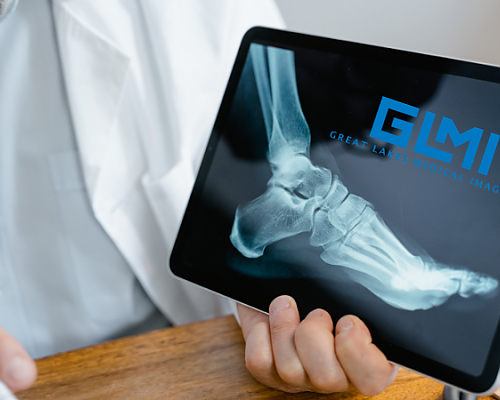
Chronic conditions such as heart disease, diabetes, arthritis, and vascular disorders require long-term management — and accurate imaging plays a vital role in that process. Medical imaging allows physicians to see how a condition is progressing, evaluate the effectiveness of treatments, and make informed decisions about your ongoing care.
At GLMI, we help patients throughout Buffalo, Williamsville, Cheektowaga, Orchard Park, and Cambria stay proactive in managing their health through advanced imaging technologies. By providing clear, precise images, our team empowers physicians with the information they need to keep chronic conditions under control and improve long-term outcomes.
The Importance of Monitoring Chronic Conditions
Chronic diseases are long-lasting and often progress slowly. Even when symptoms seem stable, internal changes can occur over time that affect how your body functions. Routine imaging allows doctors to track those changes and make adjustments to your treatment before serious complications develop.
For example, patients with vascular disease can experience gradual narrowing of the arteries that may not cause immediate symptoms but can lead to heart attack or stroke if left untreated. Similarly, those with diabetes may develop subtle damage to blood vessels or organs that imaging can detect early.
Monitoring through regular imaging exams helps physicians:
- Measure disease progression or regression
- Evaluate how well medications or therapies are working
- Identify complications before they become severe
- Tailor care plans to each patient’s unique needs
Common Chronic Conditions That Benefit from Imaging
Imaging is essential for many long-term health issues. At GLMI, our technology supports ongoing care for a wide range of chronic conditions, including:
1. Cardiovascular and Vascular Diseases
Heart and vascular imaging plays a crucial role in detecting blockages, assessing blood flow, and identifying structural abnormalities. Our low-dose CT scans and ultrasound services provide detailed views of arteries and veins, helping physicians track changes in circulation and intervene before complications occur.
Patients with high blood pressure, high cholesterol, or a family history of heart disease often benefit from regular imaging to monitor arterial health. Learn more about our Veins and Venous Disease evaluations to support vascular wellness.
2. Diabetes and Kidney Health
Chronic diabetes can affect circulation, the kidneys, and multiple organ systems. Imaging helps monitor for complications such as reduced kidney function, arterial calcification, or poor blood flow in the legs. Nuclear medicine studies and ultrasound are commonly used to assess organ function in diabetic patients.
3. Respiratory and Pulmonary Conditions
For patients with chronic obstructive pulmonary disease (COPD), asthma, or other lung conditions, imaging provides valuable insights into lung structure and function. Regular low-dose CT scans can help detect progression and monitor treatment results over time.
4. Cancer and Oncology Monitoring
In oncology care, imaging is central to tracking tumor size, spread, and response to therapy. PET/CT scans allow doctors to evaluate metabolic activity and structural detail in a single test, offering precise information that guides treatment planning and follow-up care.
5. Musculoskeletal and Joint Conditions
For patients living with arthritis, osteoporosis, or chronic back pain, imaging helps assess bone density, joint damage, and structural changes. Bone densitometry and CT imaging provide valuable data that supports long-term mobility and quality of life.
Types of Imaging Used for Chronic Disease Management
GLMI offers a full range of imaging modalities, each serving a specific purpose in chronic condition monitoring:
- Low-Dose CT Scans – Produce detailed cross-sectional images of internal organs, arteries, and bones while minimizing radiation exposure.
- Ultrasound – Provides real-time visualization of soft tissues, organs, and blood flow without radiation.
- PET/CT – Combines metabolic and anatomical imaging for advanced cancer and cardiovascular monitoring.
- Nuclear Medicine – Evaluates organ function, detects subtle changes in metabolism, and tracks disease progression.
- Interventional Radiology – Uses image-guided techniques to perform minimally invasive procedures that diagnose and treat chronic conditions directly.
These technologies work together to provide physicians with a complete view of your health — from structural anatomy to functional performance.
The Role of Regular Imaging in Long-Term Care
For chronic conditions, imaging isn’t just about diagnosis — it’s about continuity of care. Doctors use follow-up scans to determine whether your treatment plan is effective or needs adjustment. Consistent imaging allows them to:
- Compare results across time and identify trends
- Detect potential side effects of medications or therapies
- Verify healing or progression after surgical procedures
- Collaborate with specialists for coordinated care
At GLMI, we maintain high-quality imaging standards across all our locations, ensuring every exam produces consistent, reliable results your healthcare providers can trust for comparison.
Improving Quality of Life Through Early Intervention
One of the biggest advantages of ongoing imaging is early intervention. Chronic diseases often progress silently, and by the time symptoms appear, damage may already be significant. Imaging helps detect those subtle changes early, allowing physicians to adjust treatment, prevent complications, and maintain a higher quality of life for patients.
For example, catching vascular narrowing early allows for medication or lifestyle changes before a blockage forms. Similarly, monitoring bone density can prevent fractures before they happen. In each case, early insight makes proactive care possible.
Why Western New York Patients Choose GLMI
GLMI has built its reputation on accuracy, technology, and compassion. Our team of experienced technologists and board-certified radiologists ensures that every patient receives personalized, precise care. With locations across Williamsville, Cheektowaga, Orchard Park, and Cambria, GLMI makes advanced imaging accessible to communities throughout Western New York.
Stay on Top of Your Health with Advanced Imaging
When it comes to managing chronic health conditions, information is power — and imaging provides that clarity. By partnering with your physician and using advanced imaging tools, GLMI helps you take control of your long-term health and live life with confidence.
Contact GLMI today to schedule your imaging appointment or follow-up scan. Our caring team is here to help you stay one step ahead in managing your chronic health conditions.
Medical Disclaimer
Medical Disclaimer: This article is for informational purposes only and is not a substitute for professional medical advice. Always consult your physician or qualified healthcare provider about your specific symptoms and treatment options.
‹ Back
Recent Posts
-

Thyroid Nodules: How Ultrasound Helps Evaluate a Lump in Your Neck
September 12, 2026
-

3.0T vs 1.5T MRI: What the Strength of the Magnet Means for You
September 9, 2026
-

Restless, Aching Legs at Night: Could It Be a Vein Problem?
September 6, 2026
-

How Vascular Ultrasound Checks Blood Flow Without a Single Incision
September 3, 2026
-