



Website by 
Our Blog
How Exercise and Imaging Work Together to Prevent Injury
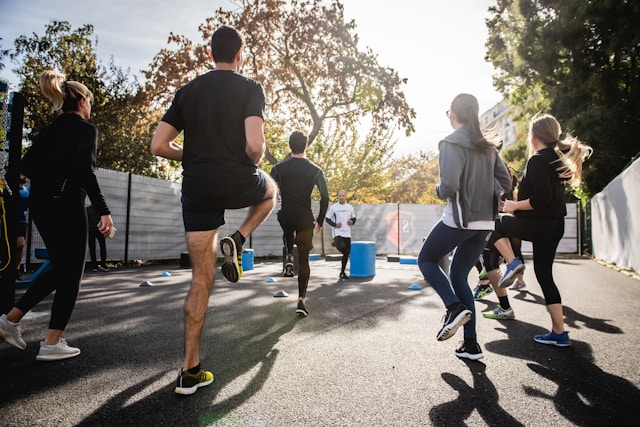
In Buffalo and across Western New York, many adults are making a strong push toward healthier living in 2026. From walking trails in Williamsville to strength training in Cheektowaga and cycling through Orchard Park, exercise is a cornerstone of long-term wellness. But while movement is essential for cardiovascular, bone, and vascular health, it is only one part of the prevention equation.
Preventive imaging plays a complementary role. At Great Lakes Medical Imaging (GLMI), advanced diagnostic technology supports early detection of underlying issues that may increase injury risk. For residents of Buffalo and surrounding WNY communities, combining smart exercise habits with appropriate imaging discussions creates a more informed, proactive approach to injury prevention.
Exercise: A Foundation for Long-Term Health
Regular physical activity strengthens muscles, improves balance, supports bone density, enhances circulation, and reduces cardiovascular risk. Weight-bearing exercise stimulates bone remodeling. Aerobic activity improves vascular elasticity and cardiac efficiency. Strength training enhances joint stability.
For adults over 40 and especially over 50 in Western New York, staying active is one of the most effective ways to preserve mobility and independence.
However, exercise alone cannot reveal silent structural vulnerabilities.
The Hidden Risk Factors That Exercise Cannot Detect
Many injuries do not occur solely because of poor form or overexertion. They occur because underlying conditions were already present. Examples include:
- Reduced bone density that increases fracture risk
- Arterial narrowing that limits safe exertion
- Structural joint abnormalities
- Undiagnosed vascular insufficiency
An individual may feel healthy and capable — yet have measurable risk factors that are not outwardly visible. Imaging provides objective data that supports safer physical progression.
Bone Health and Exercise: A Two-Way Relationship
Exercise strengthens bones — but bones must be strong enough to tolerate stress. In Buffalo and Western New York, winter falls and icy conditions already elevate fracture risk. Adding high-impact activity without understanding bone density can further increase injury risk in susceptible individuals.
Bone densitometry can detect early bone loss before fractures happen. Through Bone Densitometry, GLMI evaluates bone mineral density for patients throughout Buffalo and surrounding WNY communities.
When low bone density is identified early, exercise programs can be modified to emphasize safe, weight-bearing activities rather than high-impact movements that increase fracture risk.
Cardiovascular Fitness and Imaging Insight
As spring and summer arrive in Buffalo, many residents increase outdoor activity levels. However, cardiovascular disease can develop silently over time.
Imaging may help evaluate structural or circulatory concerns when clinically indicated. Through comprehensive Imaging Services, GLMI supports physicians in assessing cardiovascular and vascular health before patients push their physical limits.
Understanding baseline vascular health allows individuals to pursue exercise programs with greater confidence and appropriate medical guidance.
Circulation and Recovery
Healthy circulation supports muscle recovery and endurance. Reduced arterial blood flow or venous insufficiency can affect exercise tolerance and lead to prolonged soreness, leg heaviness, or swelling.
In Western New York, long winter periods of reduced activity may temporarily impact circulation efficiency. Persistent symptoms such as exertional leg pain or swelling should not automatically be attributed to aging or deconditioning.
Imaging can help evaluate whether structural vascular issues are contributing to discomfort, allowing for safer exercise planning.
Injury Prevention Through Data, Not Assumption
Many adults rely on how they “feel” when deciding how hard to exercise. While body awareness is important, subjective feelings do not always reflect internal structural health.
Preventive imaging, when recommended by a physician, provides measurable insight into:
- Bone strength
- Vascular integrity
- Structural abnormalities
- Early degenerative changes
This information allows exercise routines to be tailored more precisely to individual health status.
Western New York’s Active Aging Population
Buffalo and surrounding communities have a growing population over age 50 who remain highly active. From recreational sports leagues to community fitness programs, adults in WNY are prioritizing movement.
As longevity increases, so does the importance of combining activity with preventive evaluation. Imaging helps identify potential vulnerabilities before they translate into injuries that disrupt independence.
When to Discuss Imaging With Your Physician
Not every individual requires preventive imaging before beginning an exercise routine. However, discussion with a healthcare provider may be appropriate if you have:
- A history of fractures
- Persistent exertional leg pain
- Known cardiovascular risk factors
- Family history of osteoporosis
- Unexplained swelling or circulation symptoms
Early evaluation supports smarter training decisions.
Accessible Preventive Imaging Across Buffalo and WNY
GLMI serves patients throughout Buffalo, Williamsville, Cheektowaga, Orchard Park, and neighboring Western New York communities with advanced diagnostic capabilities.
With multiple convenient Locations, imaging services are accessible close to home.
If you and your physician determine that imaging is appropriate as part of your preventive health strategy, you can schedule an appointment here.
A Balanced Approach to Prevention in 2026
Exercise is essential. Imaging provides insight. Together, they create a balanced strategy for injury prevention and long-term health.
For residents of Buffalo and Western New York, the goal is not to limit activity — it is to support safe, sustainable movement. By pairing smart exercise habits with appropriate preventive evaluation, individuals can reduce injury risk while continuing to build strength, endurance, and resilience.
In 2026 and beyond, prevention means combining lifestyle with data. When exercise and imaging work together, the result is a stronger foundation for lifelong health.
Medical Disclaimer: This article is intended for educational purposes only and does not constitute medical advice. Always consult your physician or qualified healthcare provider regarding any questions you may have about a medical condition or appropriate diagnostic testing. Individual health circumstances vary, and decisions about imaging or treatment should be made in consultation with your healthcare provider.
‹ Back
Recent Posts
-

Bone Density Screening: Understanding Your Osteoporosis Risk
September 24, 2026
-
Preserving Quality of Life With an Enlarged Prostate
September 21, 2026
-
Ankle Sprains That Won't Heal: When to Get Imaging
September 18, 2026
-
Minimally Invasive Treatment Options for Poor Leg Circulation
September 15, 2026
-
Thyroid Nodules: How Ultrasound Helps Evaluate a Lump in Your Neck
September 12, 2026